Clinical methodology
Structured. Progressive. Personalized.
Biological repair does not occur in a single intervention. Our protocols are engineered to deliver compounding regenerative signals over time — addressing both cellular dysfunction and the systemic conditions that sustain it.

Foundational Principles of Regenerative Care
Principle 01
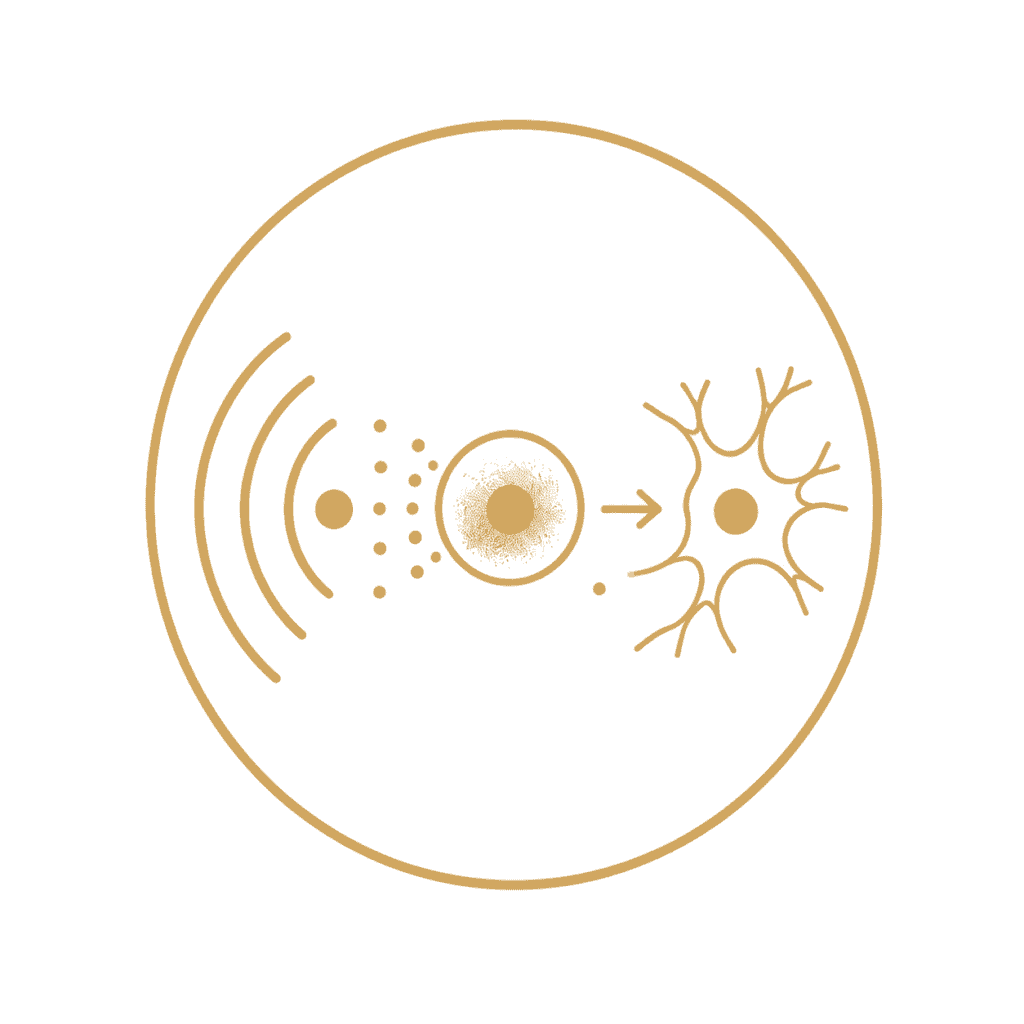
Regeneration Is Signal-Mediated
Stem cells exert their effects primarily through exosome release — vesicles carrying precise molecular instructions that regulate cellular behavior. Daily infusions progressively expand the number of cells receiving and integrating these signals.

Principle 02
Root-Cause Resolution Is Required
Regenerative gains cannot be sustained in a compromised biological terrain. Concurrent identification and correction of underlying dysfunction is integral to every protocol we design.

Principle 03
Duration Is a Biological Variable
Different tissue systems repair on different timescales. Program length — from 3 days to 5 weeks — is determined by clinical assessment of the condition, not by convention or commercial preference.

Principle 04
Sustained Benefit Requires Continuity
Aging is a genetic and epigenetic process that cannot be stopped yet, but we can slow it down. Where appropriate, therapies that extend biological gains beyond the treatment window are integrated into the protocol design.
Pulsed Regeneration Protocol
Phase 1
Infusion Day 1
Initial exosomal signaling
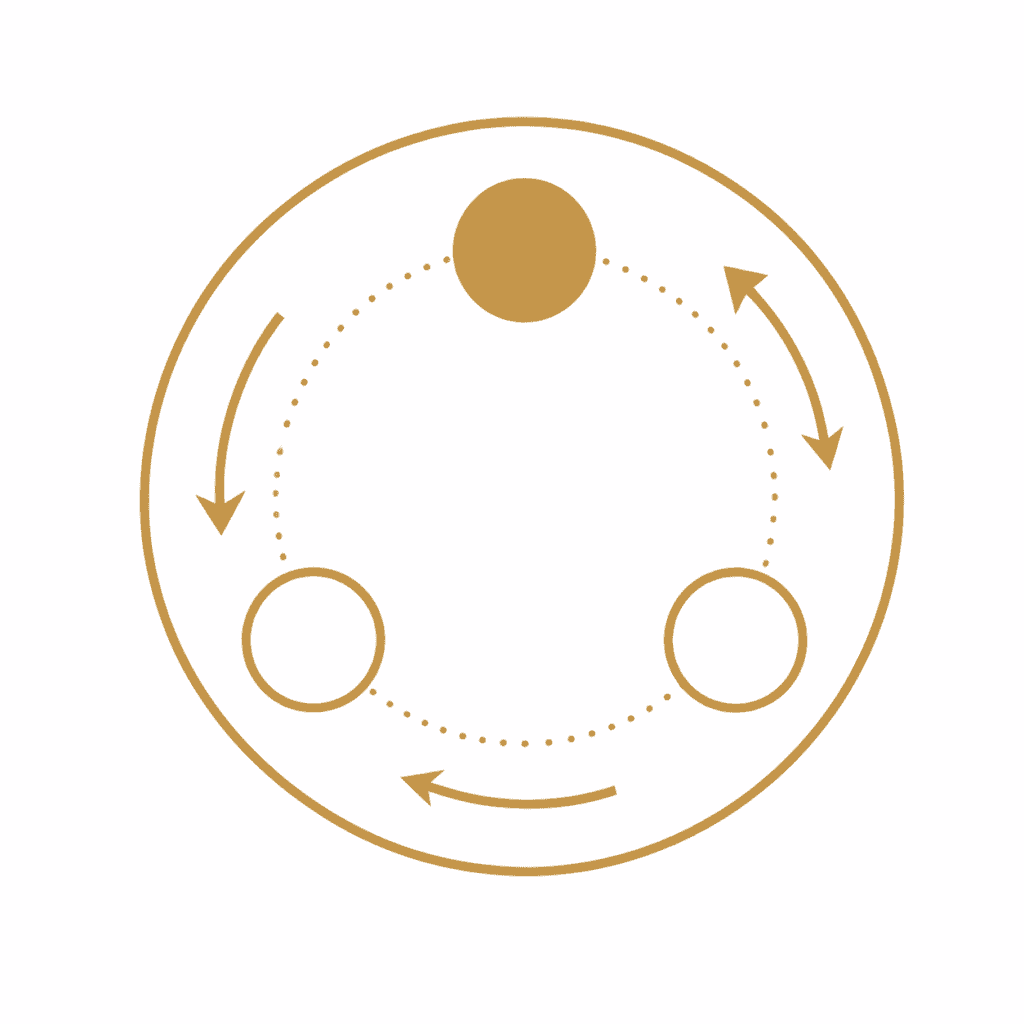
Stem cells assess the patient’s current physiological state via circulating exosomes and release a tailored regenerative response. PSCs produce their exosomal output during an active window in circulation; those exosomes then act on target tissues over a further timeframe.
Phase 2
Infusion Day 2+
Adaptive signal progression
Each subsequent infusion operates on an already-shifted internal environment. Signals are dynamically adapted to the updated physiological state, producing a compounding effect that deepens with each session.
Phase 3
Systemic outcome
Cascading organ-level restoration
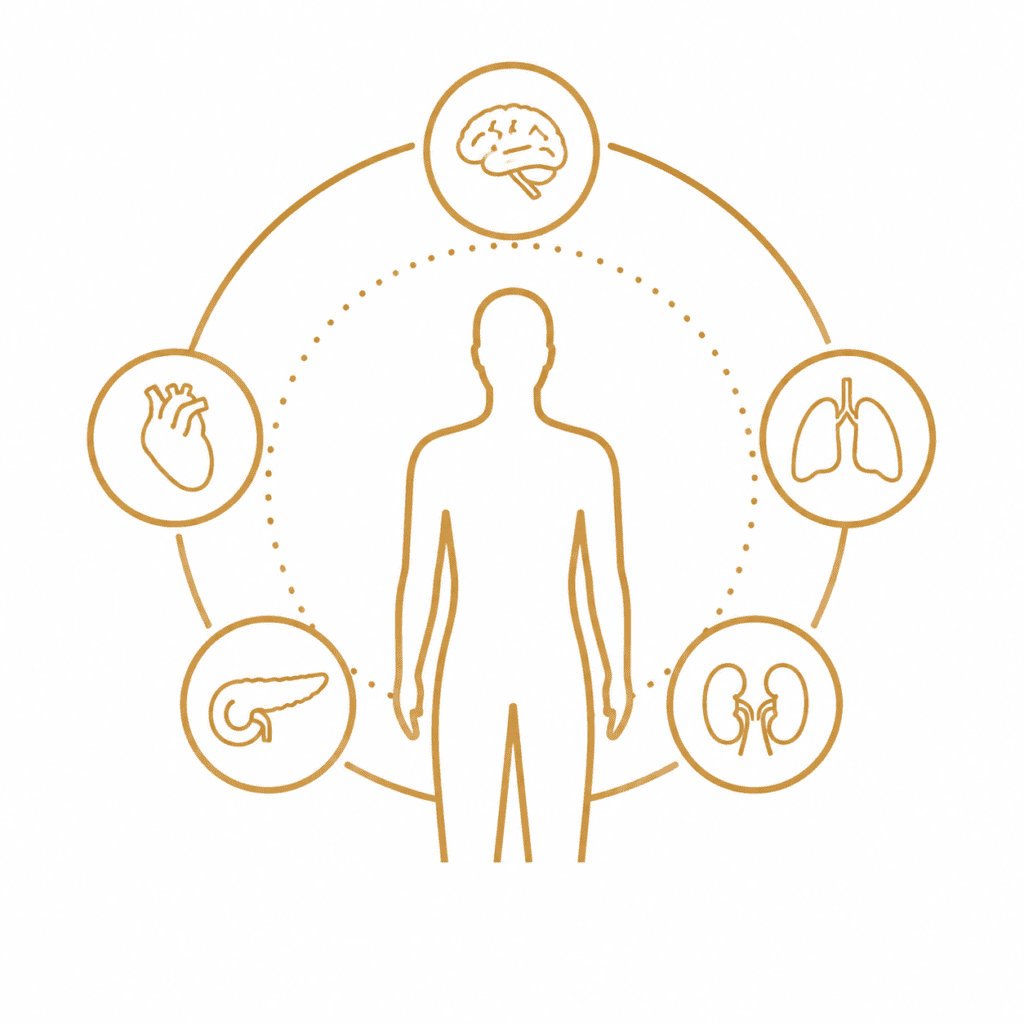
As cellular integration accumulates, organ function improves progressively. Enhanced function in one system creates positive feedback that supports recovery across interconnected systems.
Adjunctive Therapies That Support the Protocol
Ozone Apheresis (EBOO)
Advanced systemic detoxification; oxidative load reduction
IV Chelation and Micronutrients
Heavy metal clearance; targeted nutritional repletion
Peptide Protocols
Organ-specific recovery; targeted biological pathway support
TCM Detox Support
Traditional adjunct for systemic terrain preparation
Local Exosome Delivery
Focused repair: joints, spine, and localized inflammation
Gene Therapy & Extended Protocol Support
Minicircle Gene Therapy Platform
8–14 months
Gene therapies are not part of every protocol. They are offered as a targeted extension — a single administration that continues the biological work of the treatment program after the patient returns home. Delivered via non-viral minicircle DNA, each therapy expresses a specific longevity or repair pathway for 8 to 14 months without genomic integration. For most patients, they are proposed at the close of a stem cell program, sustaining and deepening its effects over the following months. For those seeking pathway-specific optimization without a full program — they may be used as a standalone intervention.
Dietary guidance
Dietary guidancePersonalized anti-inflammatory nutritional protocol. Identification and elimination of dietary triggers. Gut-supportive nutritional strategies.
Targeted supplementation
Evidence-based and TCM-inspired supplementation addressing immune regulation, gut integrity, and micronutrient deficiencies specific to the condition.
Infection screening & clearance
Assessment of chronic viral, bacterial, and parasitic burdens that maintain immune activation and prevent resolution of autoimmune flares. Targeted treatment where indicated.
Heavy metal detoxification
Heavy metal accumulation is a well-documented driver of immune dysregulation and molecular mimicry. Given the clinical significance of this burden in autoimmune presentations, chelation protocols are usually integrated into our programs as a preventive and therapeutic measure.
How the BLAST Protocol Works
Environmental & Nutritional Assessment
The patient's dietary inflammatory load, gut function, chronic infection profile, and environmental exposures are assessed from the outset. This terrain work runs in parallel with the clinical protocol — not as a preliminary before it begins.
Pulsed Daily Infusions
Each session introduces a fresh wave of cardiovascular-targeted regenerative signals. The adaptive nature of PSC exosomal output means each infusion is calibrated to the patient's evolving physiological state — building progressively on the sessions before it.
Gene Therapy Extension (optional)
Where indicated, a single administration of Klotho or VEGF-A minicircle therapy at program completion extends the vascular benefit for 8 to 14 months — sustaining endothelial support, angiogenesis, and anti-calcification signaling after the patient returns home.
Progressive Vascular Recovery
Cardiovascular repair — particularly in chronic and age-related presentations — unfolds over months. Measurable improvements in perfusion, exercise tolerance, and cardiac function develop progressively as cellular integration deepens and new vascular architecture matures.
For Healing & Chronic Condition Programs
Proposed at program completion as a take-home extension — sustaining the regenerative gains initiated during treatment for up to 12 months after discharge.
For Optimization &
Standalone Use
Available as an independent intervention for patients seeking targeted pathway activation — metabolic, neurological, or structural — without a full stem cell program.
Program Duration and Care Planning
In-clinic programs run from 3 days to 5 weeks — determined by clinical assessment of the condition, the degree of underlying terrain burden, and the patient’s physiological trajectory. Gene therapy, where indicated, extends the biological effect for a further 8 to 12 months. The decision at every stage is clinical, not commercial.