
Systemic Sclerosis and Scleroderma Support
Systemic sclerosis (scleroderma) is among the most complex autoimmune diseases — a fibrotic, vasculopathic, and immune-driven condition that progressively reshapes connective tissue across skin, lungs, gut, heart, and kidneys. Conventional medicine manages symptoms; it does not address the biological drivers of ongoing fibrosis, vascular dysfunction, and immune dysregulation. The Blast Institute protocol is built around pluripotent stem cells (PSCs) — a technology platform we have been advancing in daily clinical practice for over 20 years — to intervene at each of those levels simultaneously.
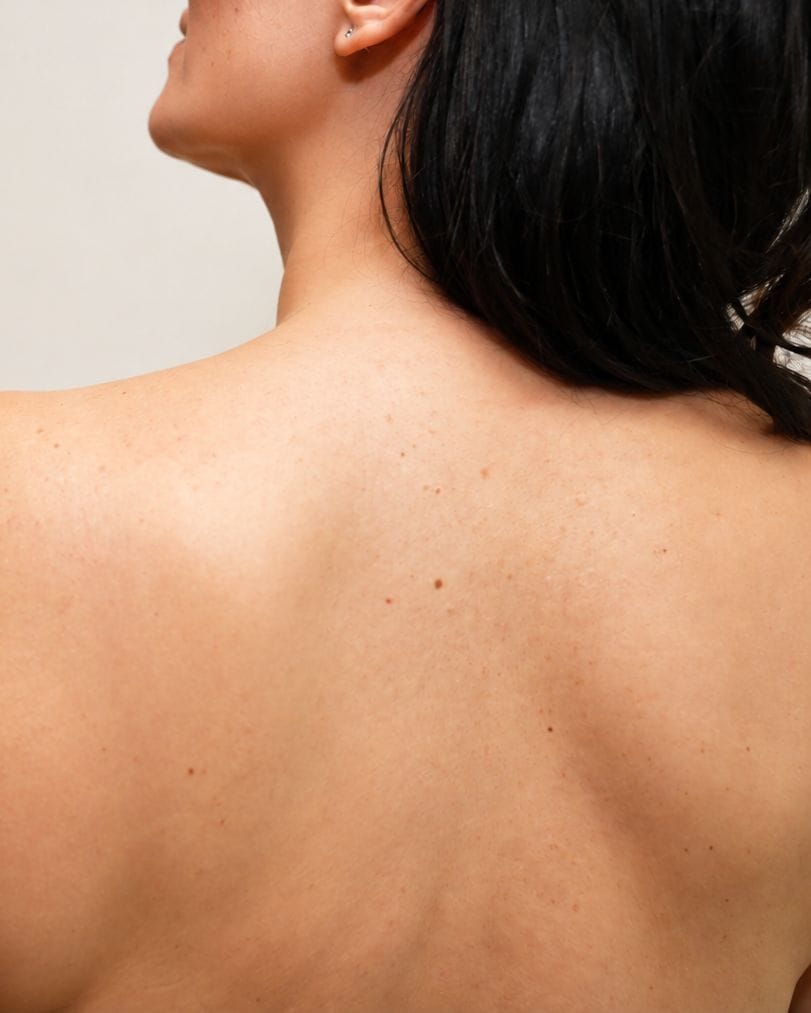
Why Scleroderma Demands a Multi-System Approach
- Dysregulated TGF-β and myostatin signaling drives relentless collagen overproduction
- Endothelial injury and capillary rarefaction produce the ischemic sequelae — Raynaud's, digital ulcers, PAH
- Autoreactive T and B cells perpetuate the immune cascade while suppressing regulatory checkpoints
- Mitochondrial and oxidative burden accelerates tissue damage across affected organs
- No single drug addresses all four axes — pluripotent biology uniquely can
Understanding Scleroderma: The Four Drivers
Fibrotic Remodeling
Activated myofibroblasts — driven by TGF-β1, CTGF, and oxidative stress — deposit excessive extracellular matrix across skin and visceral organs. Pulmonary fibrosis (ILD) and cutaneous fibrosis are the most clinically significant consequences. Reversing established fibrosis requires suppression of the fibrogenic signaling cascade, not merely symptom control.
Vascular Injury & Endothelial Dysfunction
Scleroderma is fundamentally a vasculopathy. Raynaud's phenomenon is near-universal; digital ulcers, telangiectasia, and pulmonary arterial hypertension (PAH) reflect progressive microvascular obliteration. Endothelial regeneration and angiogenic signaling are critical therapeutic targets.
Immune Dysregulation
Aberrant innate and adaptive immunity — including TLR activation, type I interferon signature, activated Th2/Th17 cells, and pro-fibrotic macrophages — sustains the fibroinflammatory environment. Restoring immune homeostasis is essential to halting disease progression.
Oxidative & Mitochondrial Stress
Systemic oxidative burden accelerates endothelial injury, perpetuates inflammation, and impairs tissue repair capacity. Detoxification and antioxidant support are not adjunctive — they are mechanistically integral to any regenerative protocol.
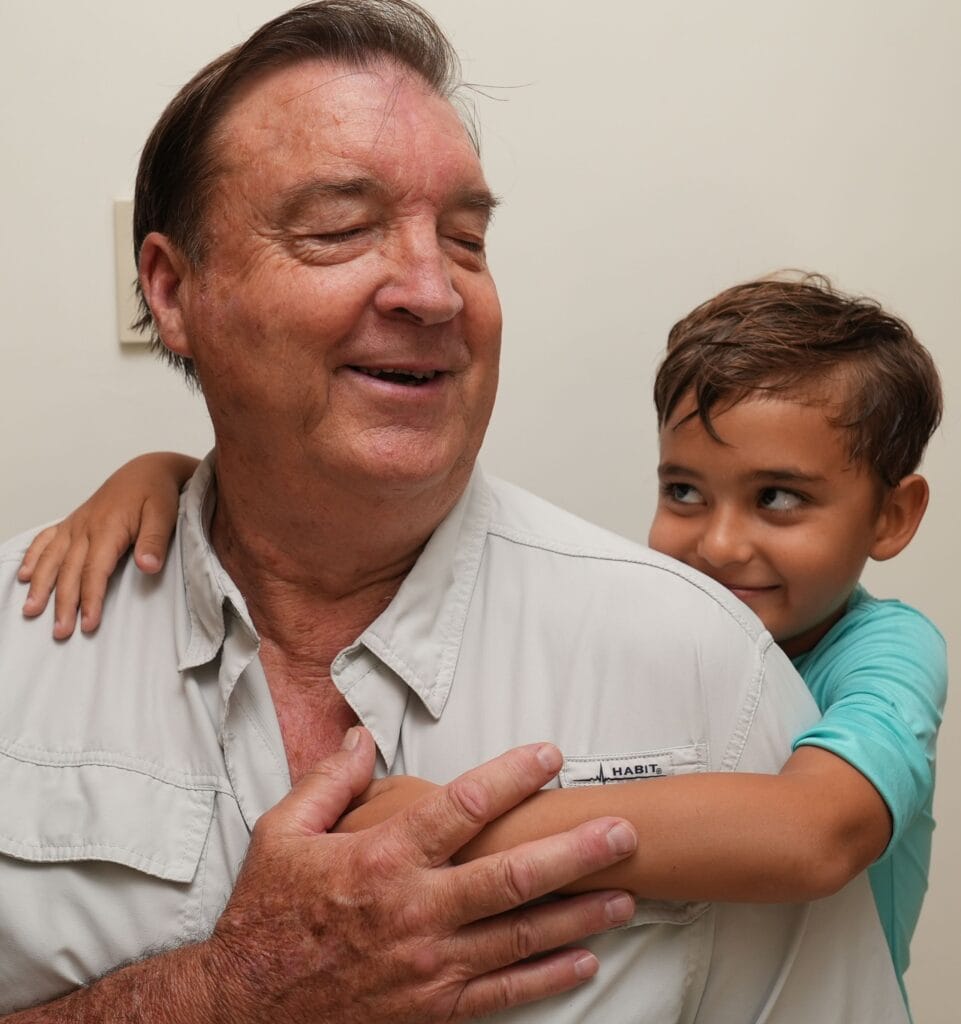
The BLAST Institute Approach to Pluripotent Biology
Blast Institute has over 20 years of daily clinical experience administering PSC-derived biologics — a depth of practice unmatched in the field. Our platform leverages the unique molecular cargo of pluripotent stem cells, including Yamanaka factor mRNAs (OCT4, SOX2, KLF4, NANOG), anti-fibrotic mediators, immune-regulatory signals, and angiogenic factors, to address the root biology of systemic sclerosis rather than suppressing its surface manifestations.
PSC IV Infusions
Systemic pluripotent reprogramming signals — IV administration, daily throughout the 24-day protocol
- Administered by IV infusion daily (Monday–Saturday) across all 24 treatment days — delivering continuous regenerative signaling throughout the protocol.
- Carry Yamanaka factor mRNAs (OCT4, SOX2, KLF4, NANOG) as transient partial reprogramming signals, resetting pro-fibrotic epigenetic states without permanent genetic alteration.
- Deliver anti-fibrotic cargo that suppresses TGF-β1 and CTGF pathways — directly countering the central driver of collagen overproduction.
- Express exosomes that contain immune-modulatory miRNAs that shift macrophage polarization from pro-fibrotic phenotypes to regulatory ones, and dampen autoreactive T cell activity.
- Promote endothelial progenitor cell mobilization and vascular repair through multiple angiogenic signals including native VEGF pathway activation.
- Mitochondrial rescue factors within PSC exosome cargo reduce oxidative burden and restore cellular energy metabolism.
Exosome IV Infusions — Intensified In Weeks 3 & 4
Escalating exosome concentration during the regenerative phase
- While PSC IVs run every treatment day from Day 1, exosome IV infusions are concentrated in Weeks 3 and 4 — the regenerative phase — when the tissue environment has been optimally prepared by the preceding detox and immune-priming work.
- This sequencing maximizes cellular uptake and biological response: a more receptive tissue environment means more effective exosome engagement.
- Weeks 3–4 represent the highest-intensity regenerative signaling window of the protocol.
Pluripotent Stem Cells (PSCs) — Autologous Option
Direct cellular regeneration for appropriate candidates
- For patients receiving autologous PSC therapy, structural integration into damaged tissue beds is possible — supporting direct endothelial and fibroblast replacement.
- Paracrine signaling from engrafted PSCs sustains immunomodulatory effects beyond the treatment window.
- Discussed individually with each patient based on clinical profile and treatment objectives.
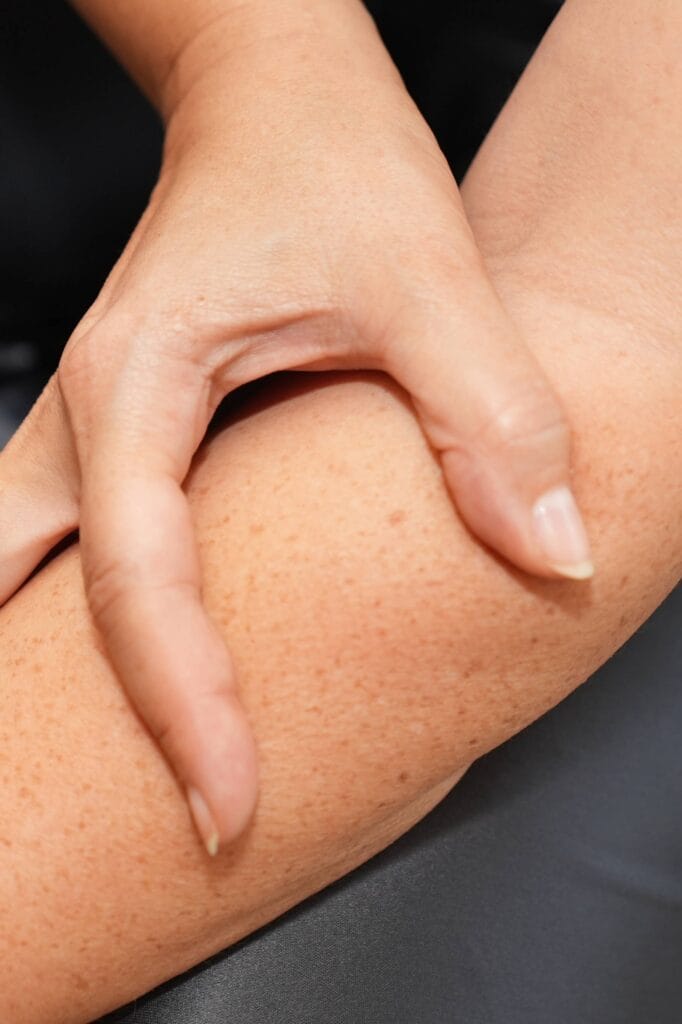
Local Treatment: Targeted Skin & Tissue Therapy
Scleroderma produces localized skin manifestations — thickening, tightening, digital ulceration, and areas of active fibrotic remodeling — that benefit from direct, high-concentration local intervention alongside systemic IV treatment. Local sessions are scheduled twice weekly throughout the full 24-day protocol, providing sustained targeted signaling at affected tissue sites from the first week onward.
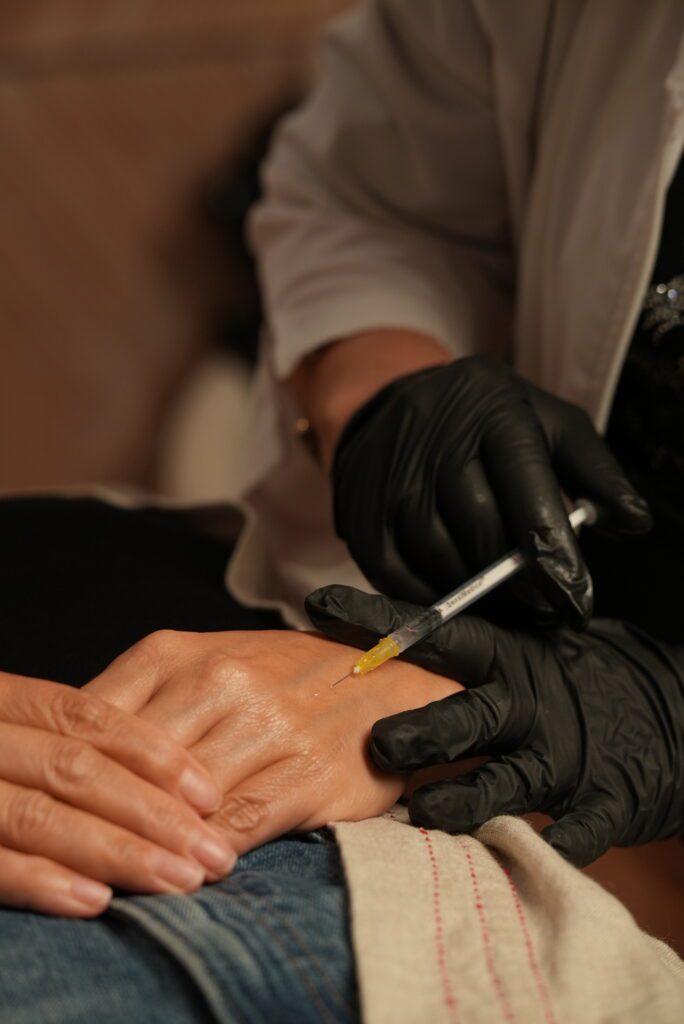
Local PSC Exosome Injections — Twice Weekly Throughout the Protocol
- Intradermal and subdermal micro-injections of PSC-derived exosomes at sites of active fibrosis, skin thickening, and digital ulceration
- Scheduled twice per week from Week 1 through Week 4
- High local concentration of anti-fibrotic miRNAs and TGF-β suppressing cargo at the treatment site
- Stimulates local fibroblast reprogramming — reducing myofibroblast activation and pathological collagen deposition
- Promotes collagen remodeling (MMP upregulation) to soften fibrotic plaques and improve skin mobility
- Supports healing of digital ulcers and reduces the ischemic environment in affected tissue beds
VEGF-A Gene Therapy — Local Vascular Rescue
Vascular endothelial growth factor A (VEGF-A) is delivered as a gene therapy administered locally at sites of vascular compromise, capillary loss, and digital ischemia. This distinction is clinically significant: VEGF-A gene therapy does not provide a one-time bolus of growth factor. It programs targeted tissue to produce VEGF-A endogenously and continuously, sustaining active angiogenesis for approximately 8 months following a single treatment session.

VEGF-A Gene Therapy: Why It Works Differently
- Gene therapy delivery means local cells begin producing VEGF-A themselves — sustained angiogenic signaling lasting ~8 months from a single local administration
- New capillary formation is progressive and cumulative over that period, not a short-term response
- Restores microvascular density in areas of Raynaud's-related ischemia and capillary obliteration
- Restores microvascular density in areas of Raynaud's-related ischemia and capillary obliteration
- Improves tissue perfusion through vasodilation signaling and NO-mediated pathways
- Accelerates closure of digital ulcers and healing of ischemic lesions through sustained pro-angiogenic tone
- VEGF-A gene therapy complements the systemic vascular signaling delivered via PSC exosome IVs — local and systemic angiogenic support working in parallel
Gene Therapy: Follistatin
Of the gene therapies offered by Blast Institute, Follistatin is the most directly aligned with the pathophysiology of systemic sclerosis — and represents a cornerstone of the advanced scleroderma protocol.
- Follistatin is a potent endogenous antagonist of Activin A and myostatin — two TGF-β superfamily members that are consistently elevated in scleroderma and directly drive fibroblast activation and collagen deposition
- By neutralizing Activin A, Follistatin reduces pro-inflammatory and pro-fibrotic signaling at the receptor level — upstream of the TGF-β cascade
- Follistatin suppresses myostatin-mediated tissue wasting and fibrotic remodeling in skin and muscle — relevant to both cutaneous and systemic involvement
- Anti-fibrotic benefit extends to pulmonary tissue, providing complementary support where ILD is present
- Sustained endogenous Follistatin expression via gene therapy maintains anti-fibrotic tone beyond the treatment window — creating durable benefit that single-dose biologics cannot match
- Synergizes powerfully with PSC exosome anti-fibrotic cargo, reinforcing TGF-β suppression through parallel molecular pathways

Follistatin gene therapy is administered on the final day of the 4-week protocol, timed to follow the cumulative immune-priming, detoxification, and tissue-preparation work of the preceding weeks. This sequencing maximizes the tissue environment for sustained gene expression and durable anti-fibrotic benefit.
α-Klotho — Adjunctive Gene Therapy for Advanced Cases
- α-Klotho carries profound anti-inflammatory and anti-fibrotic effects independent of its longevity-associated mechanisms
- Relevant where systemic inflammatory burden, vascular aging, or cardiovascular and renal complications of scleroderma are prominent
- Discussed on an individual basis for patients with significant multisystem involvement

The 4-Week Protocol Structure
Scleroderma is treated as the full 4-week program — 24 treatment days, Monday through Saturday, with Sundays off. The multisystem complexity of the disease and the depth of fibrotic and immune involvement warrant the complete protocol. PSC IVs begin on Day 1 and run every treatment day throughout; other modalities layer in according to the phase structure below.
Modality
Weeks 1–2
Weeks 3–4
PSC IVs
Daily (Mon–Sat) from Day 1
Daily (Mon–Sat) — continued throughout
Exosome IVs
Initiated; building toward full concentration
Concentrated high-dose sessions — peak regenerative phase
Detox-Support IVs
Daily alongside PSC IVs — antioxidant, anti-inflammatory, gut-support formulas
Transition to peptide IVs as detox phase completes
Peptide IVs
—
Weeks 3–4: tissue repair support, growth factor environment
Detox-Support IVs
Weekly (once per week)
Weekly (once per week) — continued support
Detox-Support IVs
Twice weekly at fibrotic/ulcer sites from Week 1
Twice weekly — continued throughout
Detox-Support IVs
Administered at target vascular sites; 8-month angiogenic effect begins
Continued as indicated; effect sustained post-protocol
Detox-Support IVs
—
Final day of protocol
Detox-Support IVs
—
Final day (if indicated)
Detox-Support IVs
Initiated Week 1; anti-inflammatory protocol
Continued; patient education reinforced
Ozone EBOO for Immune and Oxidative Stress Support
Ozone extracorporeal blood oxygenation and ozonation (EBOO) is a central component of the scleroderma protocol — not a supporting adjunct. In systemic sclerosis, chronic immune activation, dysbiosis, persistent low-grade infection burden, and oxidative stress are all well-documented contributors to disease perpetuation. EBOO addresses each of these mechanistically.
Immune modulation
Resets overactive immune signaling; reduces type I interferon and Th17/Th2 inflammatory tone
Oxidative stress reduction
Activates endogenous antioxidant pathways (Nrf2) — reducing the oxidative burden perpetuating endothelial injuryActivates endogenous antioxidant pathways (Nrf2) — reducing the oxidative burden perpetuating endothelial injury
Microbial burden reduction
Reduces gut dysbiosis and systemic pathogen load that sustains immune activation
Mitochondrial activation
Improves cellular energy metabolism impaired by chronic inflammation
Endothelial conditioning
Mild ozone exposure stimulates adaptive vascular responses — conditioning the endothelium for exosome-mediated repair
Detoxification support
Enhances hepatic and lymphatic clearing running in parallel with detox-support IVs

EBOO is performed once weekly throughout the 4-week protocol. Running concurrently with daily PSC IVs from Day 1, it continuously improves the immune and oxidative environment — amplifying the regenerative signaling of PSC-derived biologics across every treatment day.
Diet Review & Gut Health
A diet review is initiated in Week 1. In scleroderma, the gut is frequently affected — esophageal dysmotility, bacterial overgrowth (SIBO), malabsorption, and altered microbiome composition are common and directly feed systemic inflammatory tone. The gut microbiome is increasingly recognized as a modulator of systemic autoimmunity; dysbiosis in scleroderma is associated with worsened disease activity and amplified inflammatory signaling.
Individual dietary guidance is developed based on each patient’s presentation, food sensitivities, gastrointestinal symptoms, and metabolic profile. An anti-inflammatory dietary framework is established during Week 1 and reinforced throughout the protocol, with patient education materials provided for continued adherence post-treatment.

Detoxification & Supportive IV Therapy
Weeks 1 and 2 feature detox-support IV infusions running alongside daily PSC IVs. These are not a preparatory phase before regenerative biologics begin — PSC therapy starts on Day 1. Rather, the detox IVs work in parallel with PSC treatment to reduce the total inflammatory and toxic burden that would otherwise limit biological response. In systemic autoimmune disease, chronic immune activation raises oxidative and metabolic load significantly; actively countering that load from Day 1 amplifies what the PSC biologics can achieve.
Detox IV Objectives — Running Concurrently with PSC IVs, Weeks 1–2
- Reduction of systemic oxidative stress and inflammatory mediator load while PSC IVs begin their regenerative work.
- Liver and lymphatic support to enhance endogenous detoxification capacity.
- Anti-inflammatory and immune-calming formulas to reduce the autoreactive environment and improve PSC exosome uptake.
- Gut mucosal support to address intestinal permeability common in systemic sclerosis.
- Mitochondrial preparation to optimize cellular responsiveness to exosome signaling from the first treatment day.

Scleroderma Protocol Components
Product
Delivery Route
Primary Role in Protocol
PSCs (Pluripotent Stem Cells)
IV — daily from Day 1
Daily (Mon–Sat) — continued throughout
PSC-Derived Exosomes
IV (systemic)
Anti-fibrotic reprogramming, immune modulation, endothelial support — concentrated in Weeks 3–4
PSC-Derived Exosomes
Local injection (2×/week)
Targeted fibrotic site treatment, skin and ulcer repair — throughout protocol
VEGF-A
Gene therapy (local)
Sustained angiogenesis at ischemic sites — ~8 months post-administration
Follistatin
Gene therapy
Sustained anti-fibrotic tone via Activin A/myostatin antagonism
α-Klotho
Gene therapy (optional)
Anti-inflammatory, vascular, and systemic aging support
Ozone EBOO
Apheresis (weekly)
Immune reset, oxidative balance, detoxification support
Detox IVs
IV (Weeks 1–2, concurrent)
Oxidative burden reduction, hepatic and lymphatic support
Peptide IVs
IV (Weeks 3–4)
Tissue repair support, growth factor environment
LAV-BPIFB4
Coming Soon
Vascular and longevity-related biological support
Clinical Expectations & Patient Outcomes
Scleroderma is a chronic, progressive disease. The Blast Institute protocol does not position itself as a cure; it offers the most biologically comprehensive approach currently available to slow progression, reduce active inflammatory and fibrotic burden, improve quality of life, and — in many cases — achieve meaningful, measurable improvement across the disease’s key dimensions.
Areas of Observed Improvement
- Skin softening and increased mobility in areas of active fibrosis
- Reduction in Raynaud's frequency and severity; improved peripheral perfusion
- Stabilization or improvement in pulmonary function testing where ILD is present
- Healing and closure of digital ulcers supported by local exosome injections and VEGF-A gene therapy
- Reduction in fatigue, inflammatory markers, and autoimmune disease activity scores
- Improved gastrointestinal symptom burden and gut function
- Enhanced overall vitality, immune resilience, and systemic regenerative capacity

A Note on Treatment Timeline
Post-treatment, biological remodeling continues for months. Patients frequently report progressive improvement at 4, 8, and 12 weeks following the protocol.
Repeat treatment cycles at 6-12 month intervals are recommended for patients with active disease or significant fibrotic burden.
VEGF-A gene therapy continues promoting neovascularization for approximately 8 months post-administration, meaning vascular improvement compounds well after discharge.
All patients receive a detailed post-protocol maintenance and monitoring plan.