
Immune and Autoimmune Regulation Support
Restoring Balance. Rebuilding Tolerance.
The immune system is designed to protect. But when its regulation is disrupted, it can turn against the body itself — attacking its own tissues with the same precision it reserves for pathogens. Autoimmune conditions are not isolated diseases. They are expressions of immune imbalance: inflammation that persists without resolution, and tolerance to self-tissue that has been lost.
At Blast Institute, we approach immune health as a system of regulation — one that can be guided back toward balance, precision, and control through targeted regenerative intervention.

What Drives Autoimmune Dysfunction
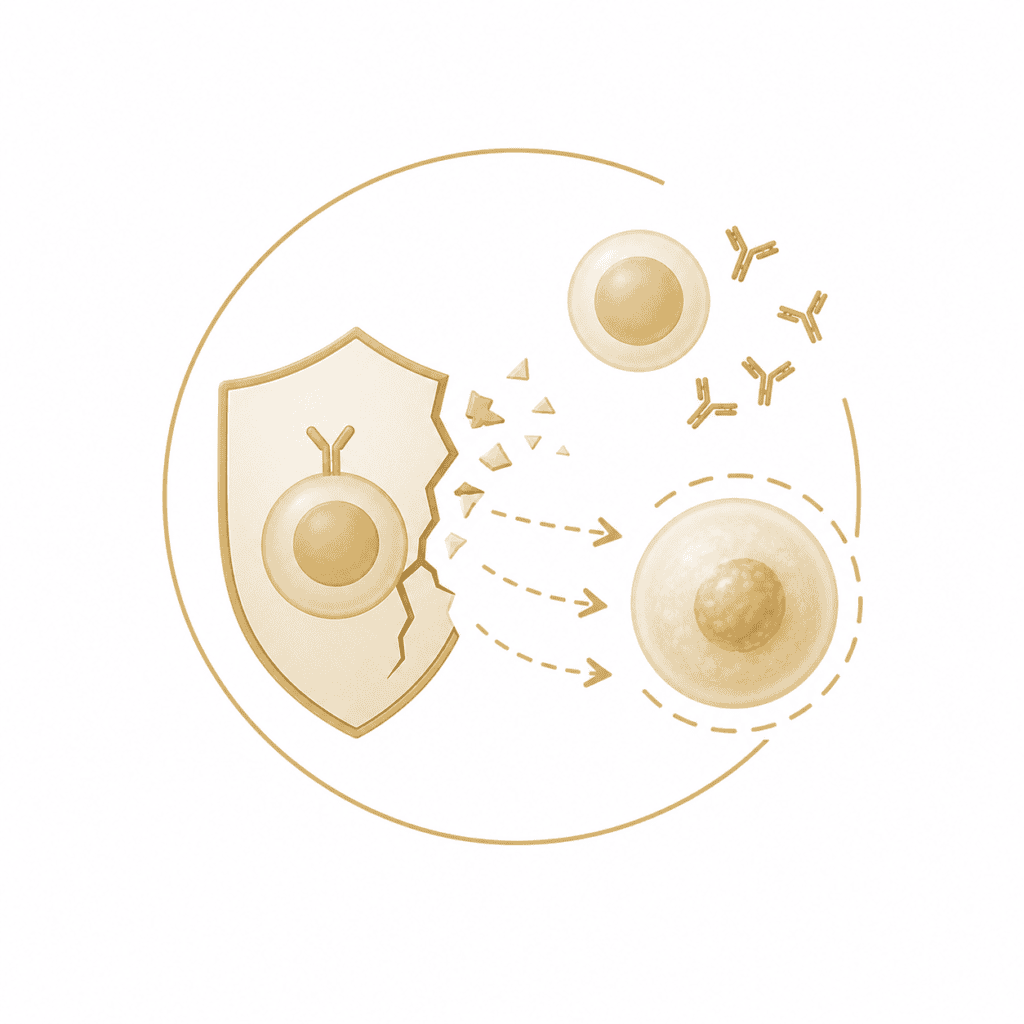
Loss of Immune Tolerance
Failure of central and peripheral tolerance mechanisms allows autoreactive T and B cells to escape regulation — initiating and sustaining attacks on self-tissue across organ systems.
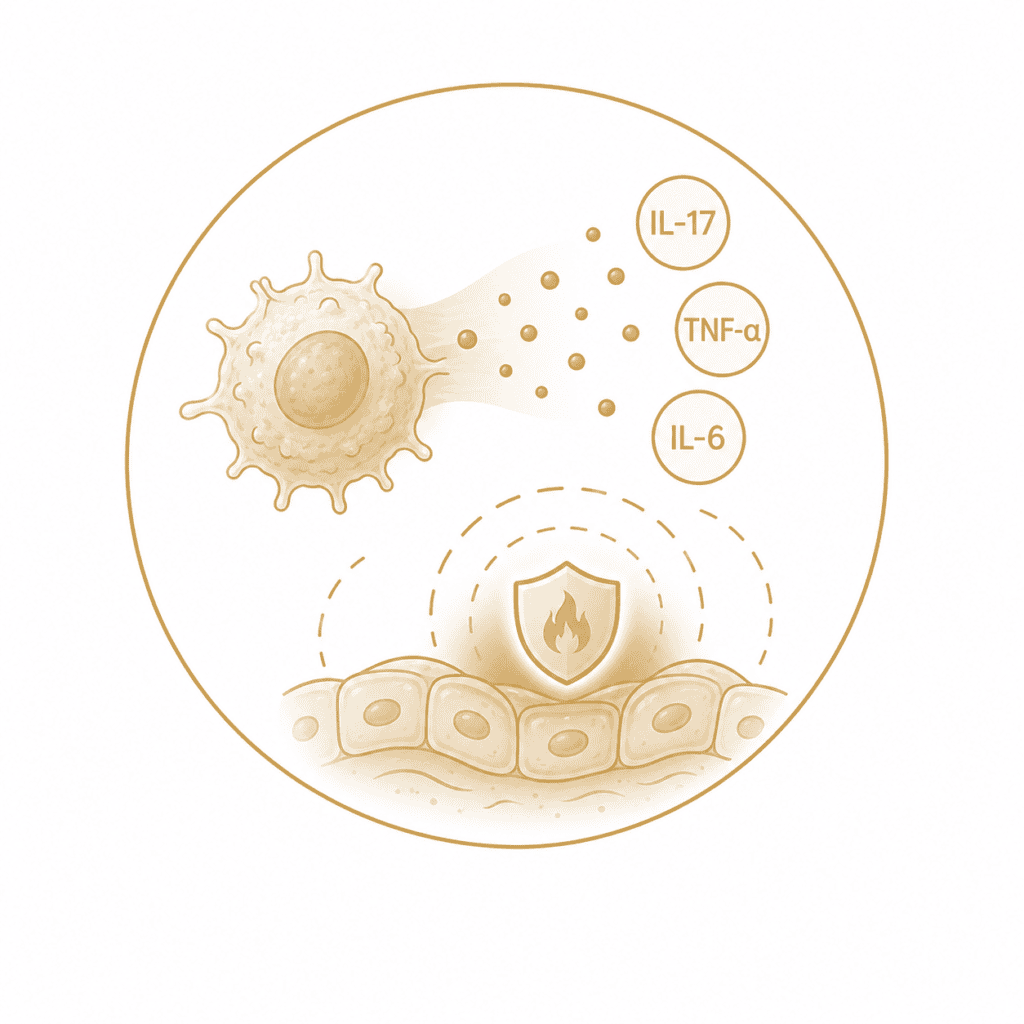
Dysregulated Inflammatory Signaling
Elevated pro-inflammatory cytokines (IL-17, TNF-α, IL-6) maintain a chronic inflammatory state that amplifies tissue damage and resists normal immune resolution pathways.
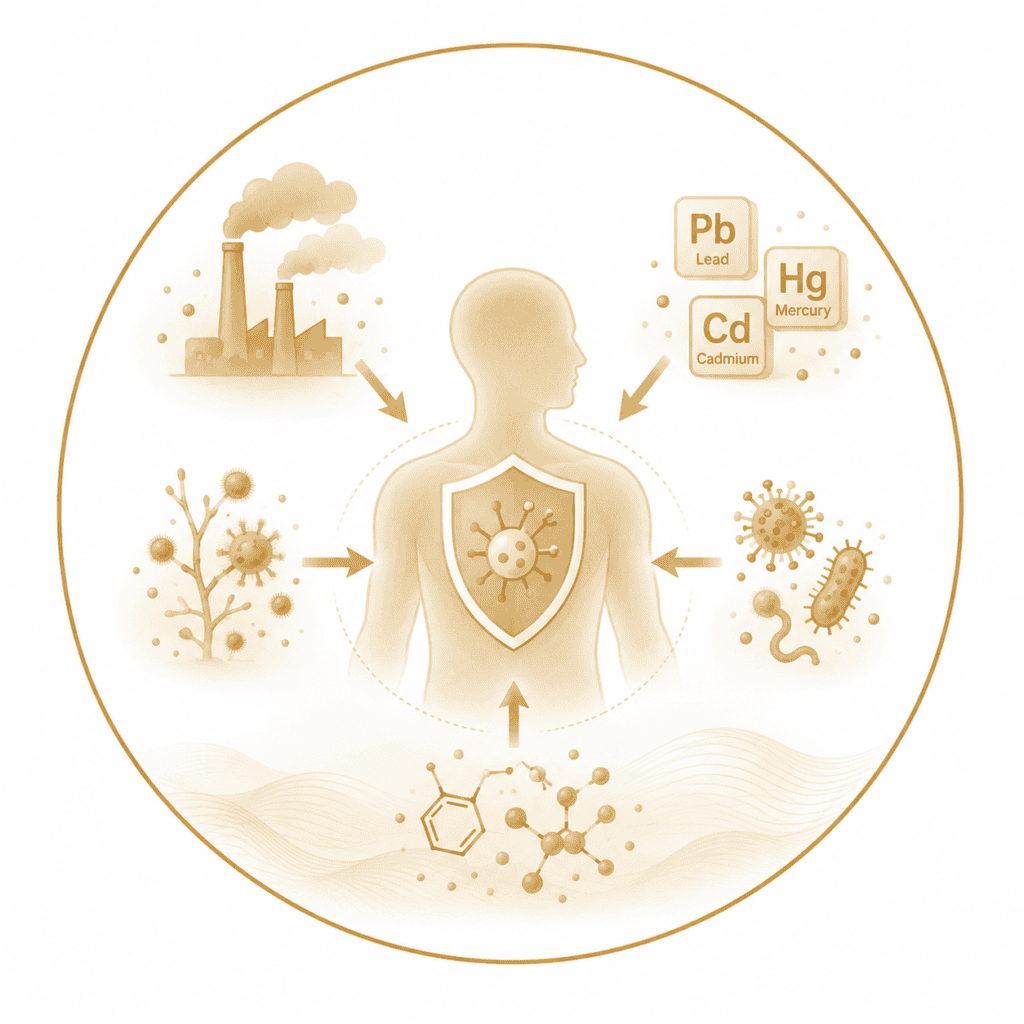
Environmental & Toxic Burden
Chronic exposure to environmental toxins, heavy metals, mold, and persistent infections disrupts immune regulation, triggers molecular mimicry, and perpetuates autoimmune activation from outside the immune system itself.
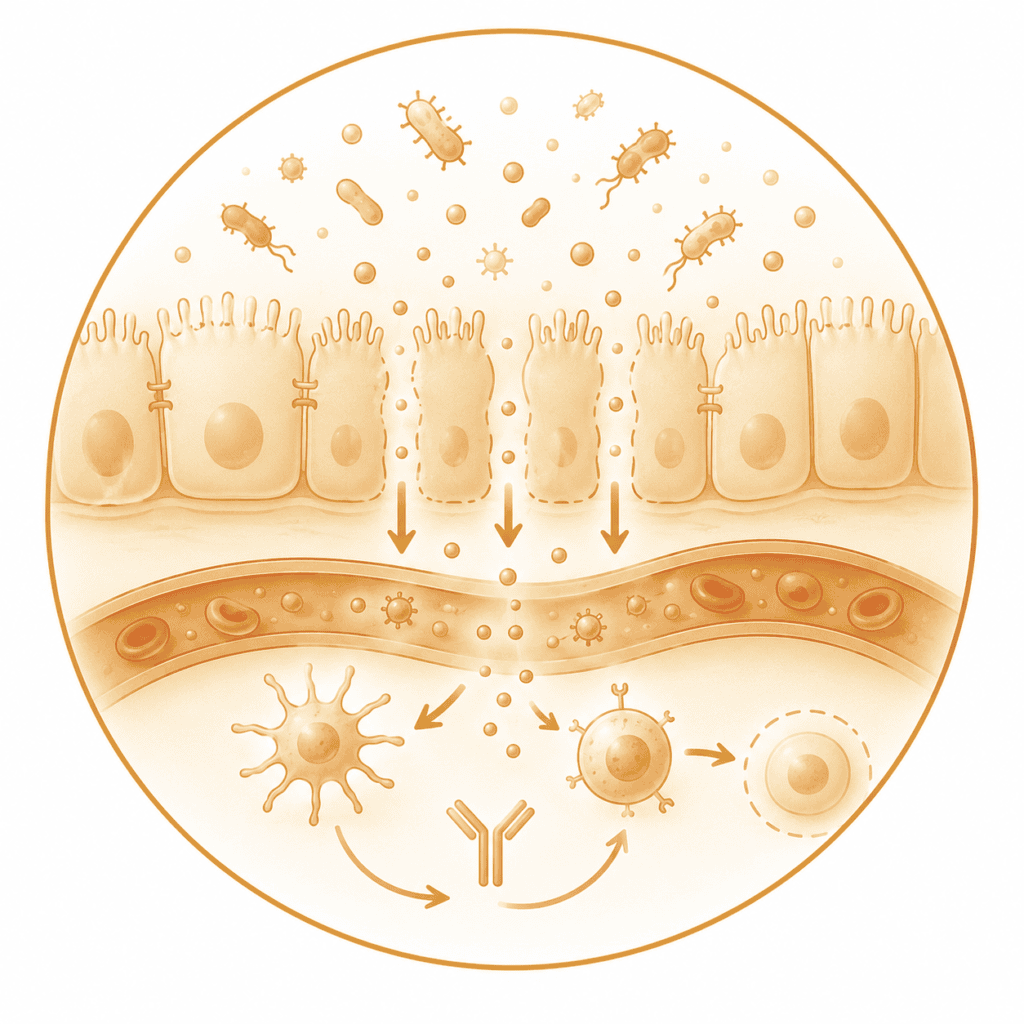
Gut Barrier Dysfunction
Increased intestinal permeability allows microbial antigens into systemic circulation — activating immune responses, promoting cross-reactivity with self-tissue, and sustaining the inflammatory environment autoimmune conditions require to persist.
The Regenerative Technology Platform
Why pluripotent stem cells offer a distinct advantage in autoimmune conditions. Published research demonstrates that pluripotent stem cell-derived preparations outperform other stem cells in immune modulation — producing a broader and more sustained recalibration of immune signaling. Their epigenetically unrestricted profile allows them to interact with immune compartments across all tissue lineages, rather than being limited to the mesodermal immune pathways accessible to MSCs.
Technology
Role in Immune Regulation
Key Signals

Pluripotent Stem Cells
PSC · IMMUNOMODULATORY
PSCs carry the broadest immunomodulatory signaling profile available in regenerative medicine. Their exosomal cargo promotes regulatory T cell (Treg) expansion, suppresses Th17-driven inflammatory cascades, and shifts macrophage populations toward the M2 anti-inflammatory phenotype — addressing the core immune dysregulation of autoimmune disease rather than its downstream effects. Their multi-lineage signaling range means they can modulate immune activity in neural, endocrine, and epithelial tissues.
- Treg expansion
- Th17 suppression
- M2 macrophage shift
- IL-10 induction
- Cross-lineage

Pluripotent Exosomes
EXOSOMAL
Concentrated vesicles carrying immunoregulatory microRNAs, anti-inflammatory cytokines, and molecular signals that reprogram immune cell behavior at the gene expression level. Reduce production of pro-inflammatory mediators, support restoration of mucosal immune tolerance, and enhance communication between immune and stromal cells that balanced tissue homeostasis requires.
- Immunoregulatory miRNA
- Cytokine modulation
- Mucosal tolerance
- Stromal support

Klotho Minicircle Therapy
GENE THERAPY
Klotho has documented anti-inflammatory and immune-regulatory properties — reducing NF-κB activation, suppressing pro-inflammatory cytokine production, and contributing to systemic immune resilience. Delivered via non-viral minicircle DNA for 8–14 months of sustained expression, it provides a long-horizon extension of the immune rebalancing initiated during the in-clinic program.
- NF-κB suppression
- Cytokine reduction
- Systemic resilience
- 8–14 month effect
Environmental & Nutritional Terrain — Integral To Every Autoimmune Protocol
Diet, environment & detoxification
INTEGRAL TO EVERY AUTOIMMUNE PROTOCOL
For autoimmune conditions, the biological terrain is not a secondary consideration — it is part of the treatment. Toxin accumulation, dietary inflammatory triggers, gut barrier dysfunction, and nutritional deficiencies are among the most consistent perpetuators of immune dysregulation. Addressing them is not optional: it is a prerequisite for regenerative therapies to achieve and sustain their effect.
Every autoimmune program at Blast includes a structured assessment and correction of the patient’s environmental and nutritional context — integrated with the clinical protocol from the outset.

Dietary Guidance
Kidney function, brain health, and systemic longevity support. Particularly relevant in neurological and aging presentations.
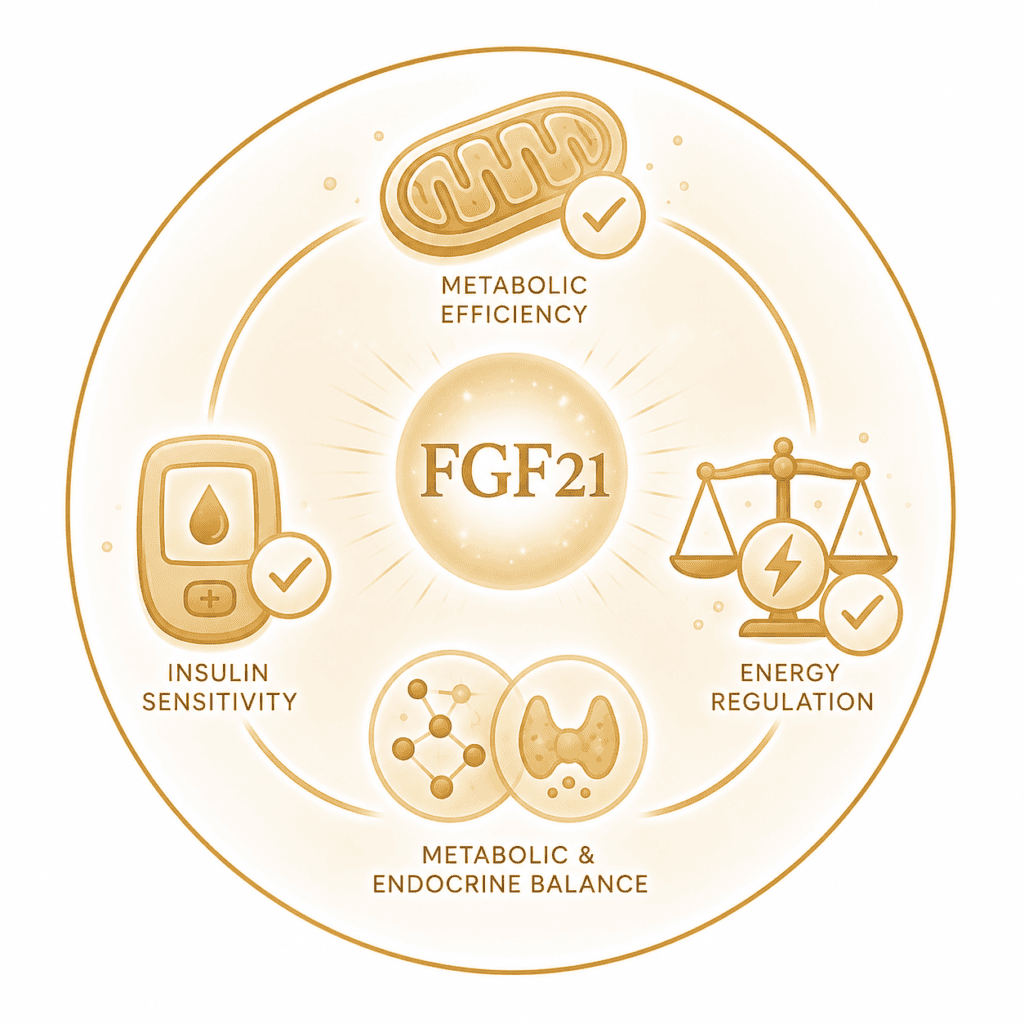
FGF21
Metabolic efficiency, insulin sensitivity, and energy regulation. Indicated in metabolic and endocrine presentations.

Follistatin
Muscle preservation, strength, and body composition. Relevant for longevity programs and post-recovery structural support.
VEGF-A
Targeted revascularization and tissue perfusion. Indicated in cardiovascular, ischemic, and wound-healing contexts.
How the Immune Regulation Protocol Works
Terrain Preparation
Vascular inflammation and oxidative burden impair the penetration of regenerative signals. Ozone apheresis and IV antioxidant protocols reduce systemic inflammatory load prior to and during treatment — preparing the vascular environment for signaling to work.
Detoxification & Terrain Support
Ozone apheresis, IV chelation, and targeted gut support protocols reduce the systemic inflammatory and toxic burden that perpetuates immune dysregulation. Chelation is integrated into most of our autoimmune programs given the well-documented role of heavy metal accumulation in immune dysfunction.
Pulsed Daily Infusions
Each session delivers adaptive immunomodulatory signaling — PSC and their exosomes promoting Treg expansion, Th17 suppression, and macrophage polarization toward repair. The cumulative effect across sessions progressively recalibrates immune tone and reduces the frequency and severity of flares.
Gene therapy Extension (Optional)
Klotho minicircle therapy at program completion provides 8–14 months of continued anti-inflammatory and immune-regulatory support — sustaining the rebalancing achieved during the in-clinic program after the patient returns home.
Progressive Immune Stabilization
Measurable reductions in inflammatory markers, flare frequency, and symptom burden develop progressively as immune tone recalibrates, damaged tissues recover, and the environmental triggers sustaining autoimmune activation are addressed.
A Systemic Perspective on Immune Health
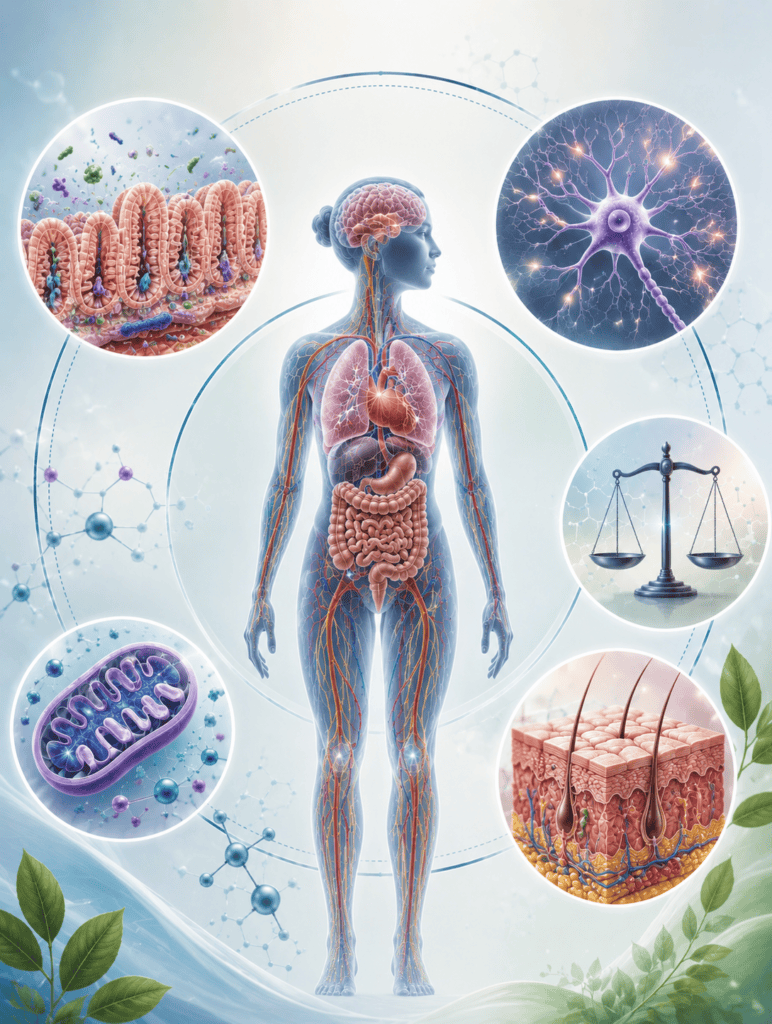
Autoimmune conditions frequently involve multiple systems simultaneously — gut, skin, joints, nervous system, and hormonal balance can all be implicated in a single presentation. This is why our programs extend beyond immune modulation alone, addressing the full biological environment that shapes immune function: gut integrity, metabolic balance, environmental exposure, and chronic infectious burden.
Immune & Autoimmune Conditions We Address
Mast Cell Activation Syndrome
Mast cell · Histamine · Multi-system
Rheumatoid Arthritis
Joint · Synovial · Autoimmune
Systemic Sclerosis (Scleroderma)
Regenerative Protocol · Pluripotent Biology · Precision Gene Therapy
Lupus (SLE)
Systemic · Multi-organ · Autoimmune
Psoriasis
Skin · Th17 · Inflammatory
Lyme Disease & Post-Treatment Lyme Syndrome
Neurological · Immune · Infectious · Multi-System
Scleroderma
Fibrotic · Vascular · Systemic
Chronic Inflammatory Conditions
Systemic · Persistent · Multi-tissue
The immune system is not meant to fight the body — it is meant to protect it with precision. At Blast Institute, we restore the balance that makes that possible — recalibrating immune tone, removing the triggers that perpetuate dysfunction, and rebuilding the tolerance on which lasting recovery depends.