
Digestive & Gut Health Support
Restoring Balance. Rebuilding The Foundation.
The immune system is designed to protect. But when its regulation is disrupted, it can turn against the body itself — attacking its own tissues with the same precision it reserves for pathogens. Autoimmune conditions are not isolated diseases. They are expressions of immune imbalance: inflammation that persists without resolution, and tolerance to self-tissue that has been lost.
At Blast Institute, we approach immune health as a system of regulation — one that can be guided back toward balance, precision, and control through targeted regenerative intervention.
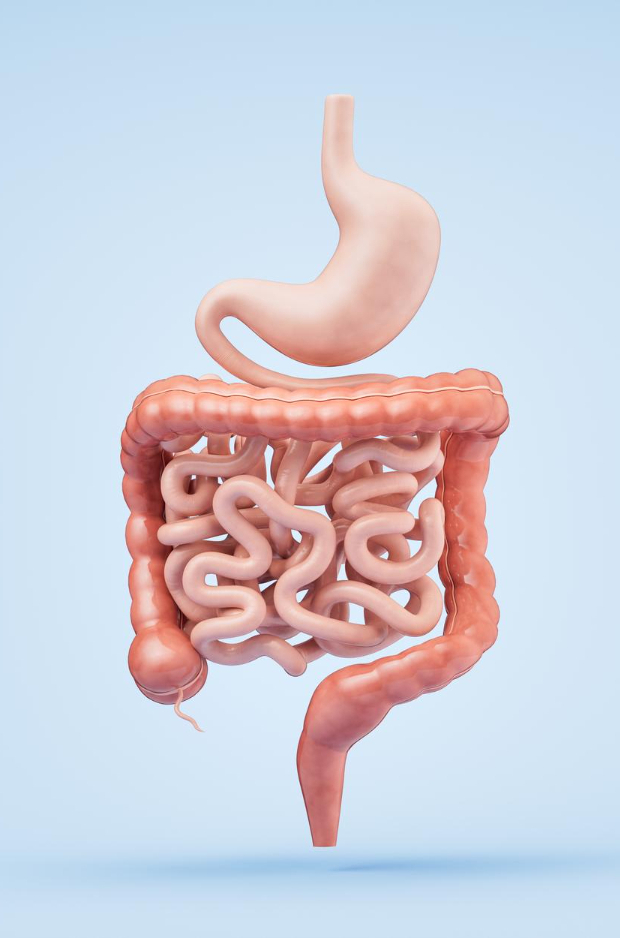
What Drives Digestive Dysfunction
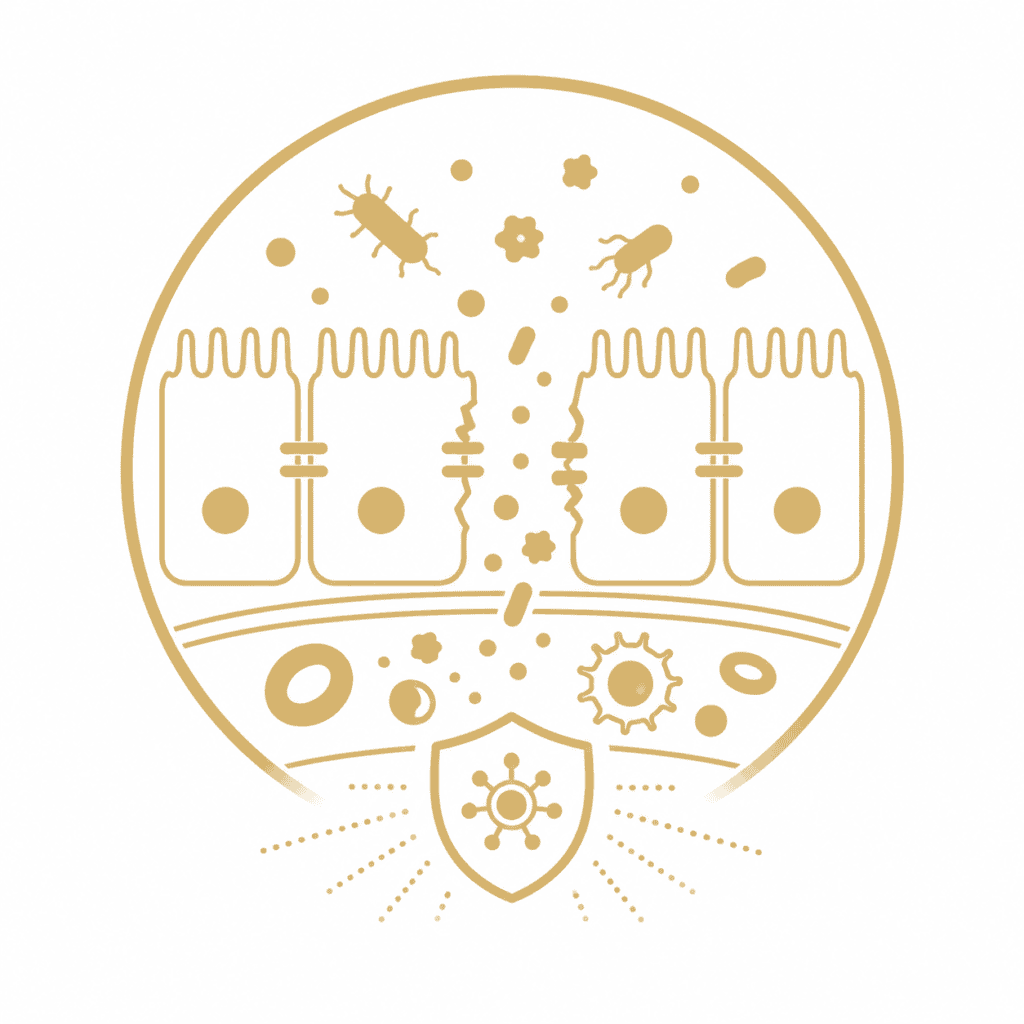
Mucosal barrier disruption
Damage to intestinal epithelial tight junctions allows bacterial antigens, undigested proteins, and toxins to enter systemic circulation — triggering chronic immune activation and system-wide inflammation.
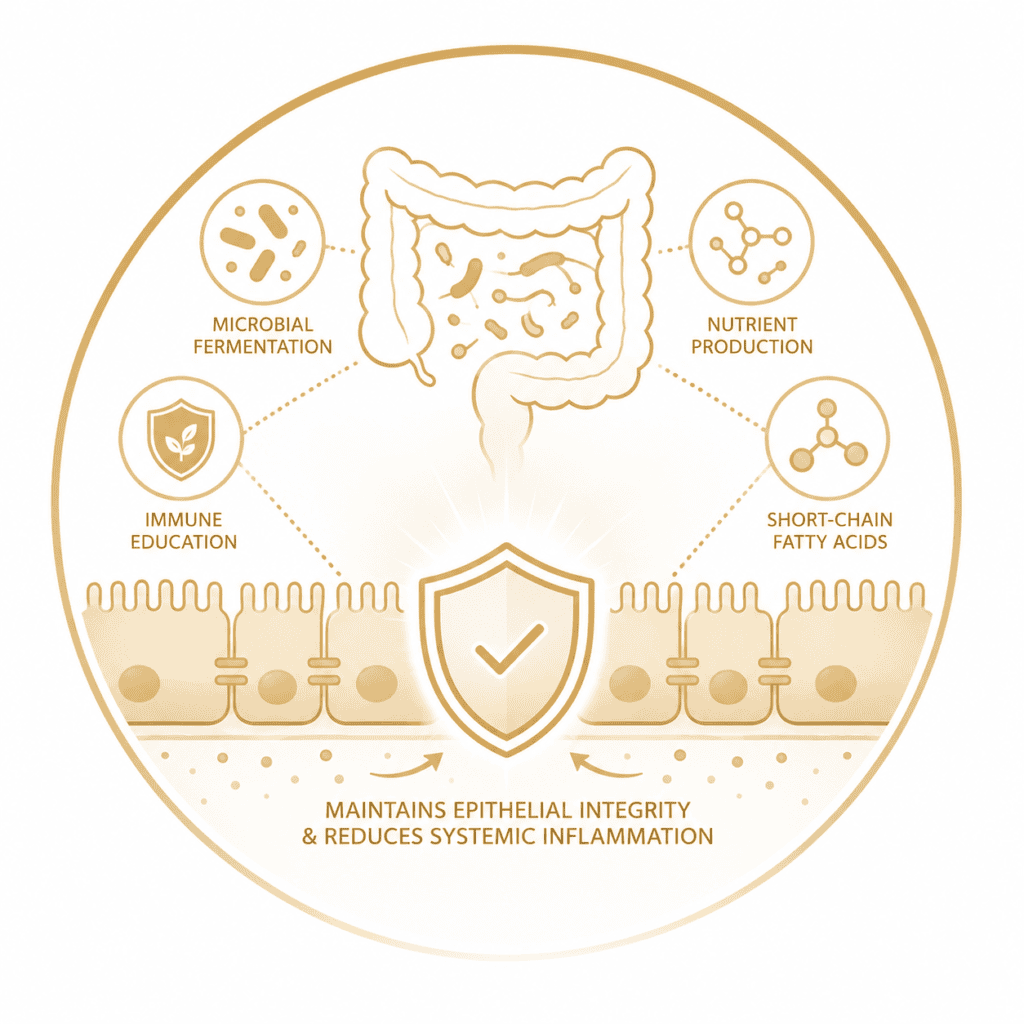
Microbiome dysbiosis
Disruption of the gut microbial ecosystem impairs fermentation, nutrient production, immune education, and the short-chain fatty acids that maintain epithelial integrity and reduce systemic inflammation.
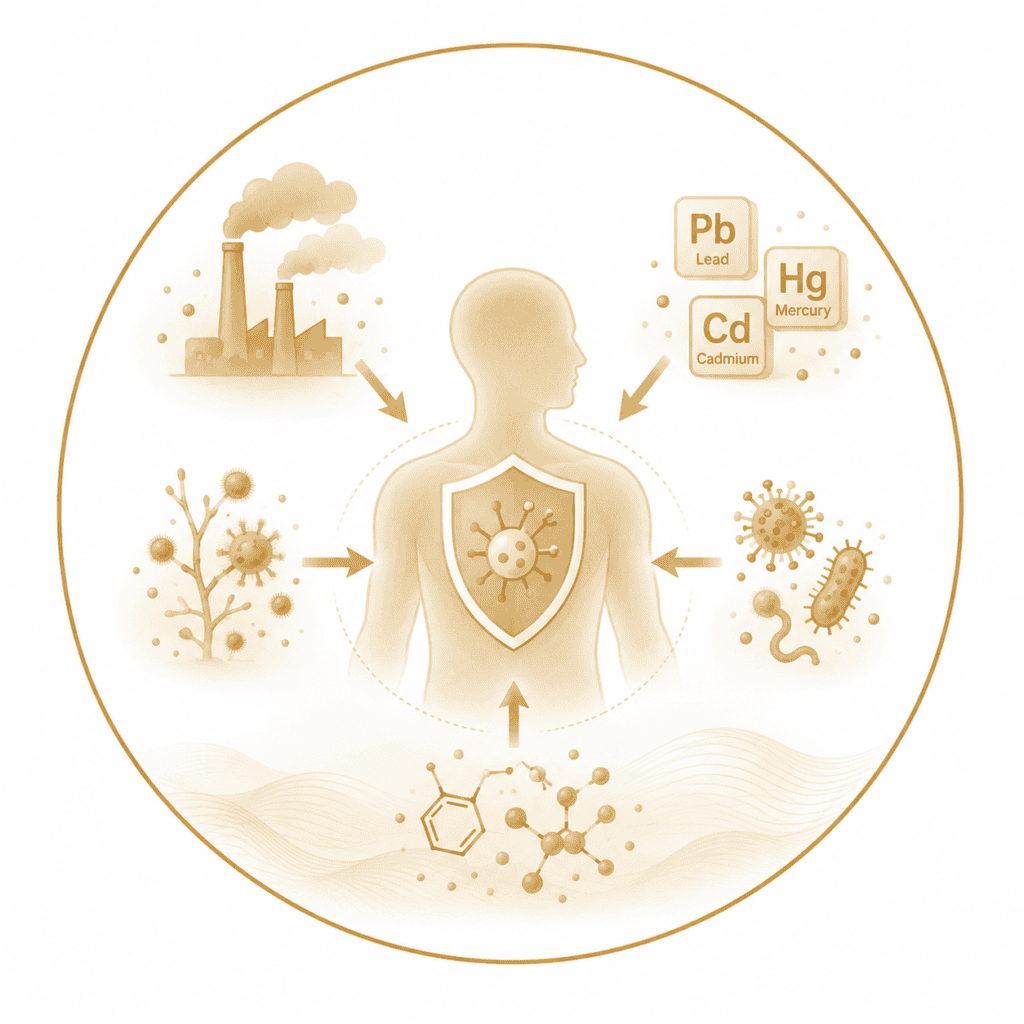
Chronic intestinal inflammation
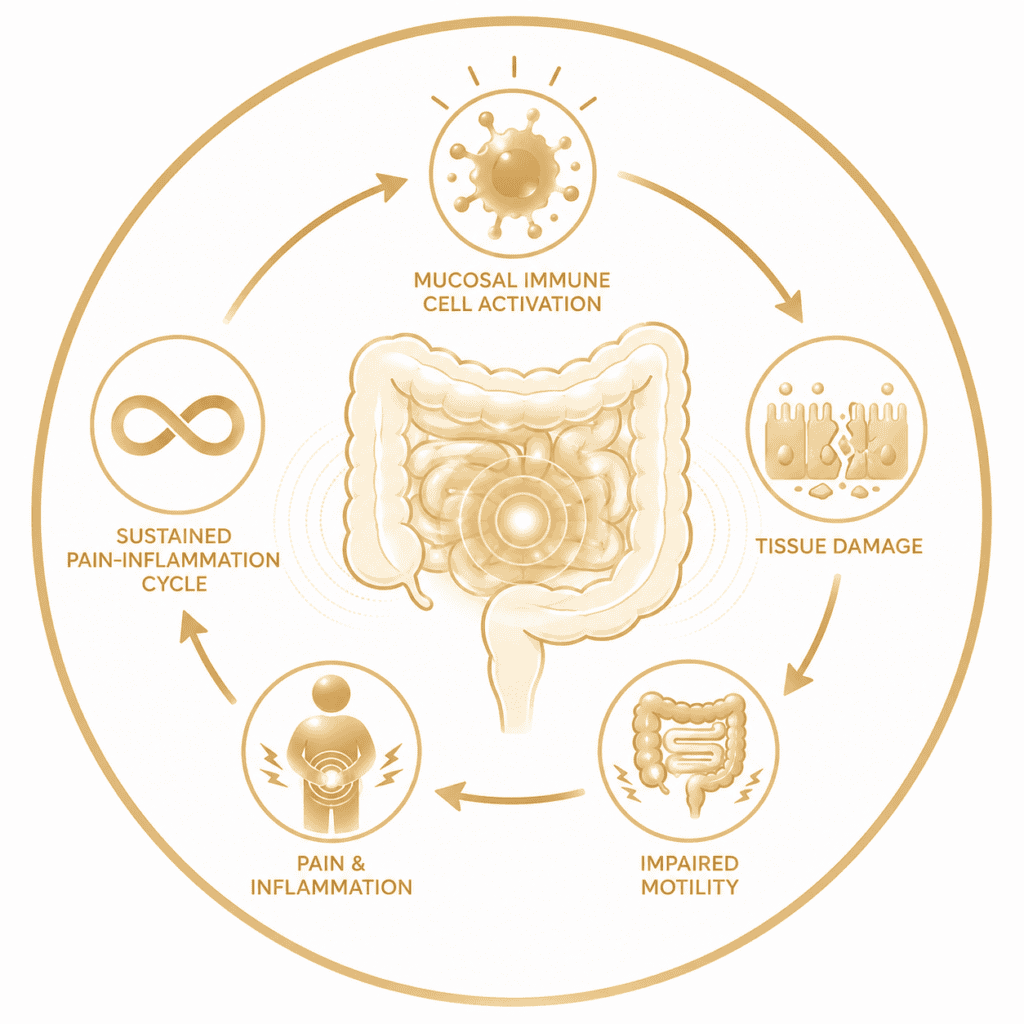
Persistent activation of mucosal immune cells drives tissue damage, impairs motility, and sustains the pain-inflammation cycle characteristic of IBS, IBD, and chronic gut conditions.
Impaired mucosal regeneration
Although the intestinal epithelium is among the most rapidly renewing tissues in the body, chronic inflammation and nutritional deficiency impair its regenerative capacity — preventing the natural repair that would otherwise resolve mucosal damage.
The Gut As A System Hub
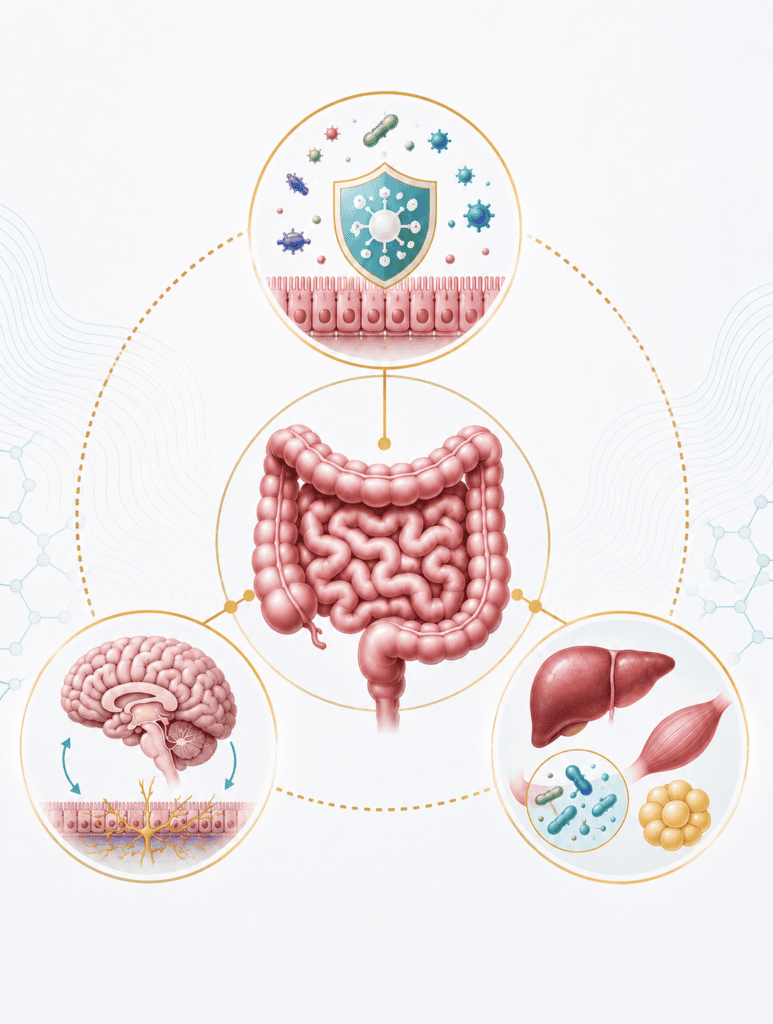
Gut health directly influences — and is influenced by — three critical biological axes:
Gut–Immune Axis
~70% of immune tissue resides in the gut. Mucosal integrity determines systemic inflammatory tone and autoimmune susceptibility.
Gut–Brain Axis
The enteric nervous system communicates bidirectionally with the CNS. Gut dysbiosis is increasingly linked to mood, cognition, and neuroinflammation.
Gut–Metabolic Axis
Microbiome composition directly influences insulin sensitivity, energy extraction from food, and the inflammatory mediators driving metabolic disease.
The BLAST Regenerative Technology Platform
Technology
Role in immune regulation
Key signals

Pluripotent Stem Cells
PSC · ENDODERMAL SCOPE
Carry exosomal cargo relevant to endodermal tissues — including the intestinal epithelium, liver, and mucosal immune compartment. Support repair of the digestive lining, reduce mucosal inflammation, restore enterocyte proliferation, and contribute to re-establishment of epithelial tight junction integrity. Cross-germ-layer range also addresses the neural and immune components of gut dysfunction that MSC preparations cannot reach.
- Epithelial repair
- Tight junction restoration
- Mucosal anti-inflammatory
- Enterocyte support

Pluripotent Exosomes
EXOSOMAL
Concentrated vesicles carrying anti-inflammatory mediators and microRNAs that modulate mucosal immune responses and intestinal cell behavior. Reduce pro-inflammatory cytokine production within gut-associated lymphoid tissue, support goblet cell function and mucus layer integrity, and enhance the intercellular communication that coordinates epithelial repair and barrier maintenance.
- Mucosal immunity modulation
- Goblet cell support
- Anti-inflammatory miRNA
- Barrier maintenance
Microbiome, Diet and Environmental Correction
Rebuilding the gut environment
DIET · MICROBIOME · TOXIN CLEARANCE · INTEGRAL TO EVERY GUT PROGRAM
Regenerative therapies can repair mucosal tissue and reduce inflammation — but they cannot maintain those gains in a gut environment that continues to be disrupted by diet, dysbiosis, or toxic burden. For digestive conditions, environmental and nutritional correction is not an optional add-on. It is the substrate on which repair depends. Every gut protocol at Blast integrates this layer from the outset.
Dietary restructuring
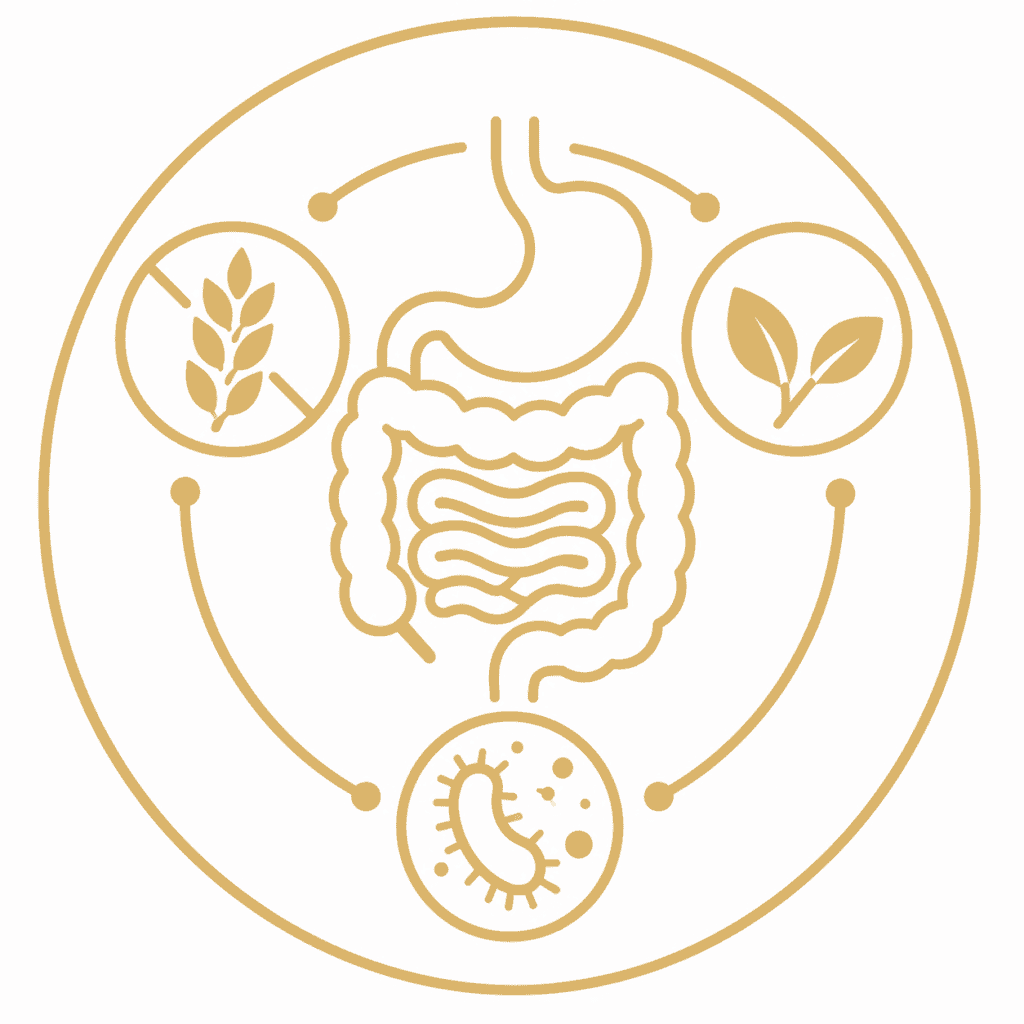
Identification and elimination of dietary triggers — fermentable carbohydrates, inflammatory foods, food sensitivities. Personalized nutritional guidance supporting mucosal healing, microbiome diversity, and epithelial fuel (butyrate, short-chain fatty acids).
Microbiome rebalancing
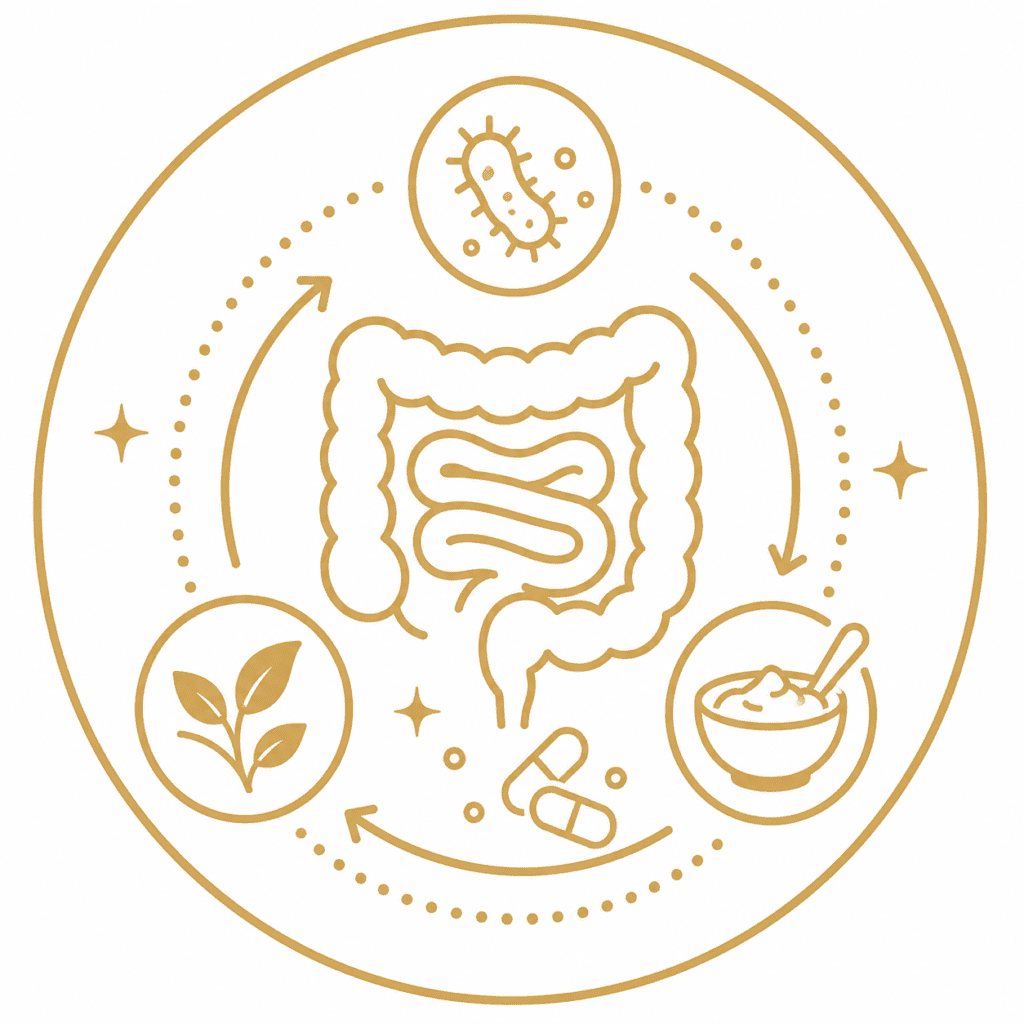
Assessment and targeted correction of microbial imbalances — including SIBO, candida overgrowth, and pathogenic bacterial colonization. Pre- and probiotic protocols and fermented food guidance to restore a diverse, resilient gut ecosystem.
Targeted supplementation
Evidence-based and TCM-inspired supplementation addressing gut barrier integrity, mucosal repair, digestive enzyme support, and the specific deficiencies that chronic gut conditions produce.

Toxin & infection clearance
Heavy metals, mold mycotoxins, and persistent gut infections maintain dysbiosis and impair mucosal repair. Chelation protocols and targeted anti-microbial support are integrated where clinically indicated to remove these perpetuating factors.
How the Gut Health Protocol Works
Gut Environment Assessment
Dietary trigger profile, microbial balance, chronic infection burden, and toxic load are assessed at the outset. This clinical picture shapes the nutritional and environmental layer of the protocol, which runs in parallel with the regenerative program from day one.
Terrain Preparation
Ozone apheresis, IV antioxidant protocols, and targeted gut support reduce systemic inflammatory and toxic burden — improving the mucosal environment into which regenerative signals are delivered. Specific anti-microbial protocols address active dysbiosis or infection where present.
Pulsed Daily Infusions
Each IV session delivers adaptive regenerative signals with endodermal relevance — supporting epithelial repair, reducing mucosal immune activation, and restoring the intercellular communication on which gut barrier integrity depends. Cumulative sessions deepen the effect progressively.
Dietary & Microbiome Correction (Ongoing)
Nutritional guidance, microbiome rebalancing protocols, and targeted supplementation are delivered in parallel and continued after discharge — providing the environmental consistency that allows mucosal healing to be maintained and extended over time.
Progressive Gut Restoration
Measurable improvements in symptoms, nutrient absorption, energy, and systemic inflammatory markers develop progressively as mucosal integrity is restored, dysbiosis resolves, and the systemic consequences of gut dysfunction diminish across interconnected systems.
Why Gut Health Matters Across the Body
The gut influences nearly every system in the body. Restoring digestive health creates benefits that extend well beyond the gastrointestinal tract — improving immune regulation, metabolic function, neurological resilience, and systemic inflammatory tone simultaneously.
Immune System
Mucosal repair reduces systemic inflammatory activation and autoimmune susceptibility
Metabolic Health
Microbiome restoration improves insulin sensitivity and reduces metabolic inflammation
Brain & Mood
Gut-brain axis rebalancing supports cognitive clarity, mood stability, and reduced neuroinflammation

Digestive Conditions We Address
Irritable Bowel Syndrome (IBS)
Motility · Mucosal · Functional
SIBO
Bacterial overgrowth · Fermentation · Motility
Crohn's Disease and IBD
Inflammatory · Mucosal · Autoimmune
Gastric Ulcers
Mucosal damage · H. pylori · Barrier
Gut Permeability and Leaky Gut
Tight junctions · Barrier · Systemic
Chronic Digestive Inflammation
Mucosal · Persistent · Multi-segment
Balance does not begin at the surface — it begins at the core. At Blast Institute, we restore the foundation on which the rest of the body depends — combining mucosal regeneration with the microbiome, dietary, and environmental correction that allows that restoration to last.