
Musculoskeletal Pain & Structural Health Support
Restoring Movement. Releasing Pain.
The musculoskeletal system gives the body its structure, mobility, and strength. When joints, tendons, ligaments, or muscles are compromised, pain emerges — and movement becomes progressively limited. Over time, inflammation and degeneration can turn acute discomfort into chronic dysfunction that resists conventional management.
At Blast Institute, we approach pain not as something to suppress, but as a signal of tissue imbalance that can be addressed at its biological source — through regenerative repair, reduced inflammation, and structural restoration.
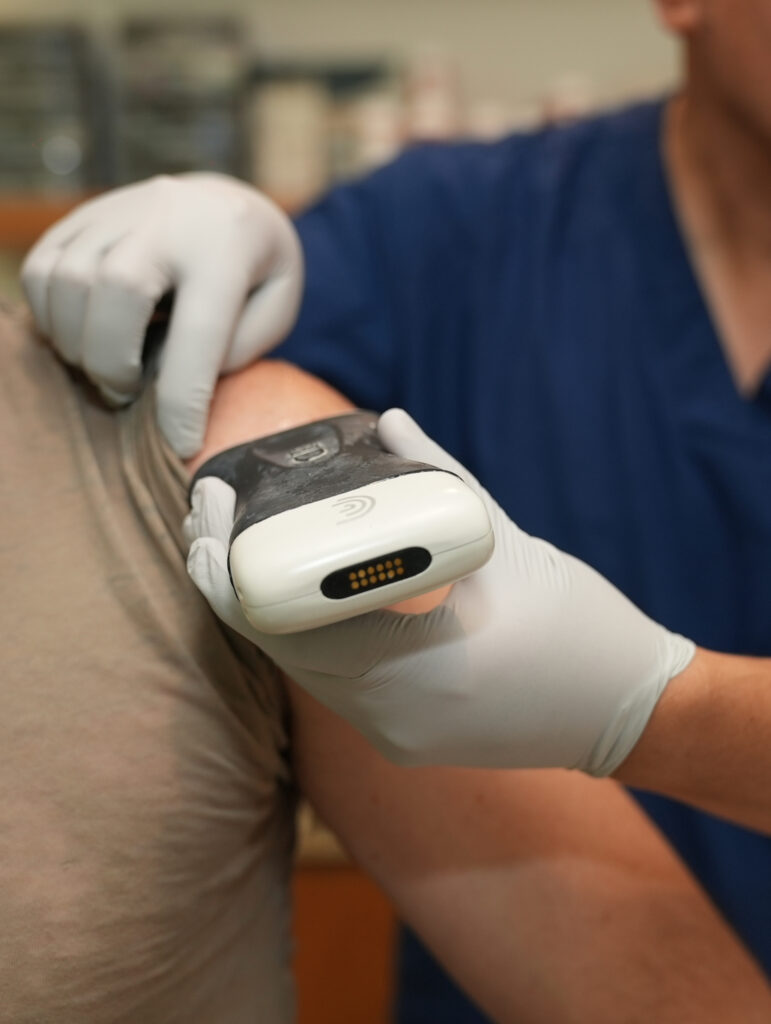
What Drives Musculoskeletal Dysfunction
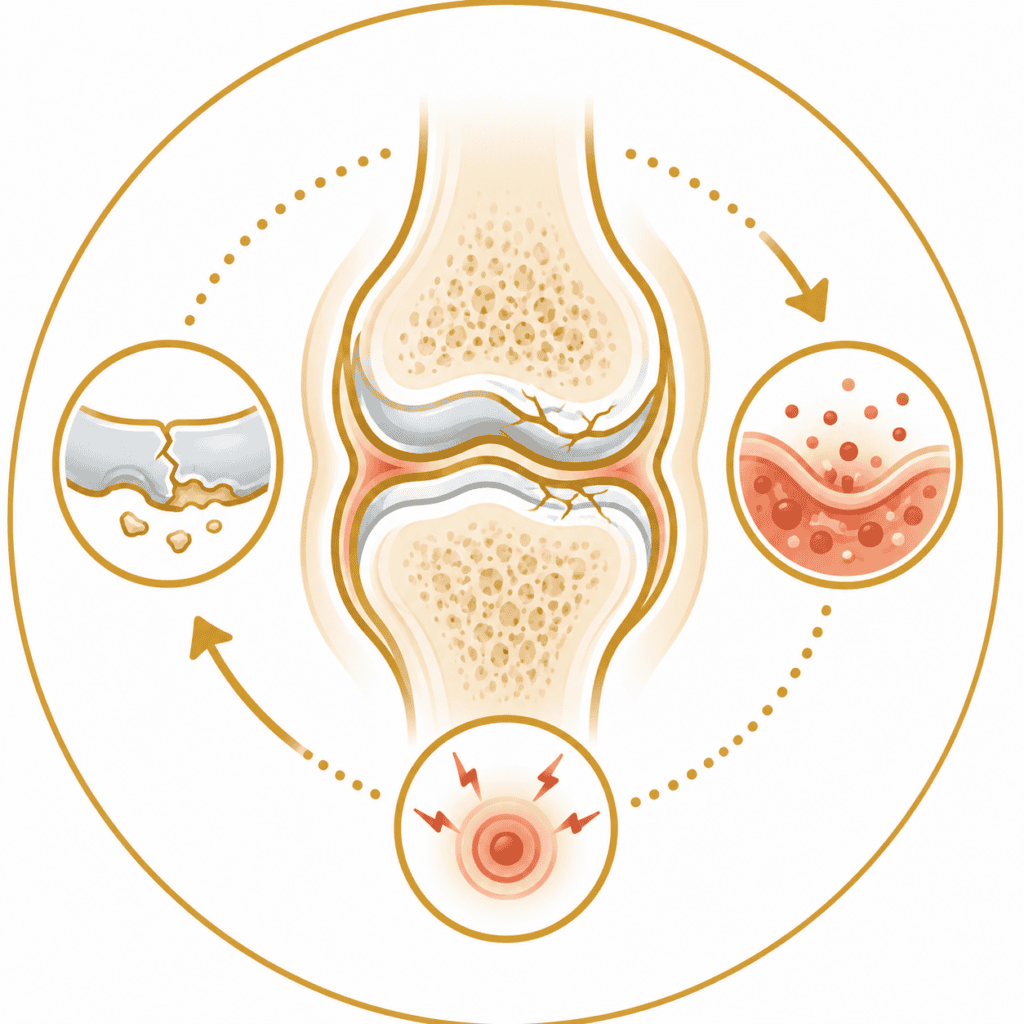
Chronic Joint Inflammation
Persistent synovial inflammation degrades cartilage, erodes joint surfaces, and creates the pain-inflammation cycle characteristic of osteoarthritis and inflammatory joint conditions.
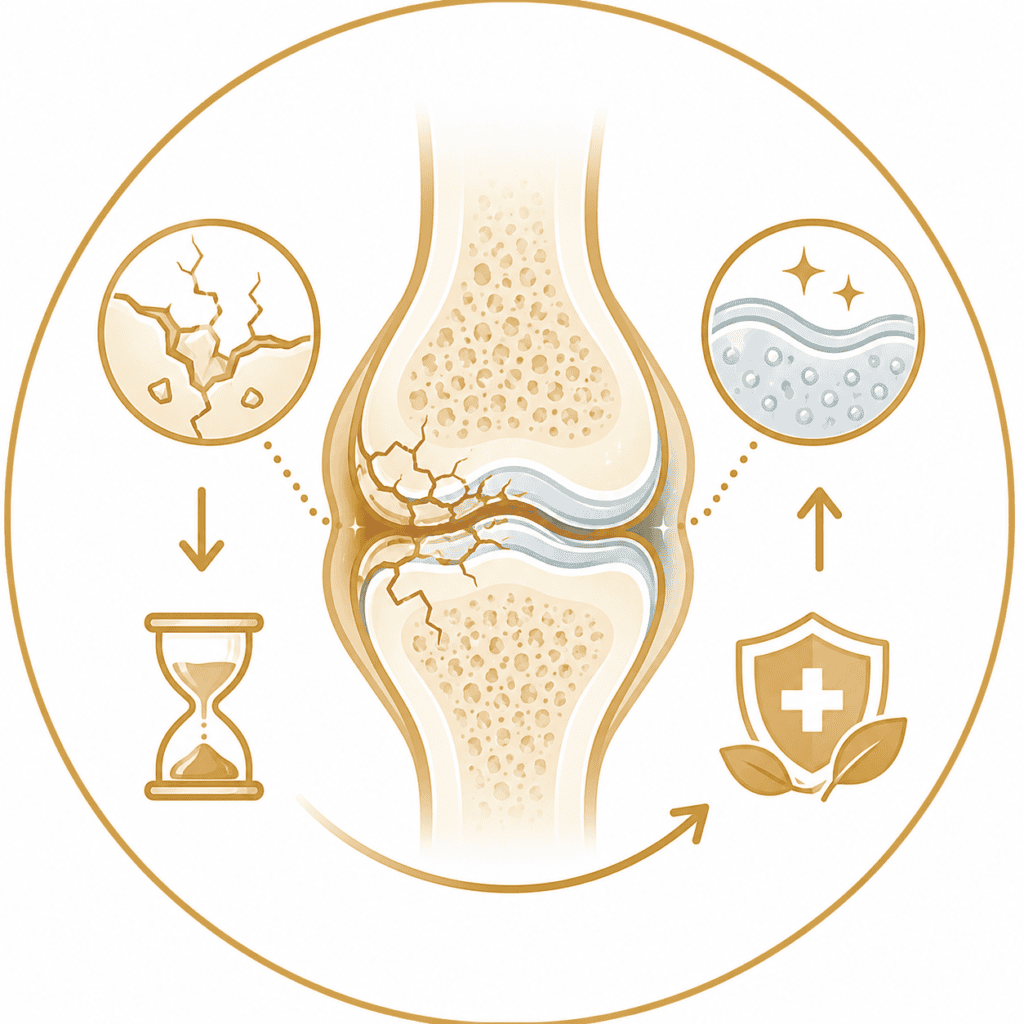
Tissue degeneration & impaired repair
Reduced regenerative capacity — particularly in avascular tissues like cartilage and tendon — means damage accumulates faster than the body can address it, accelerating structural deterioration.
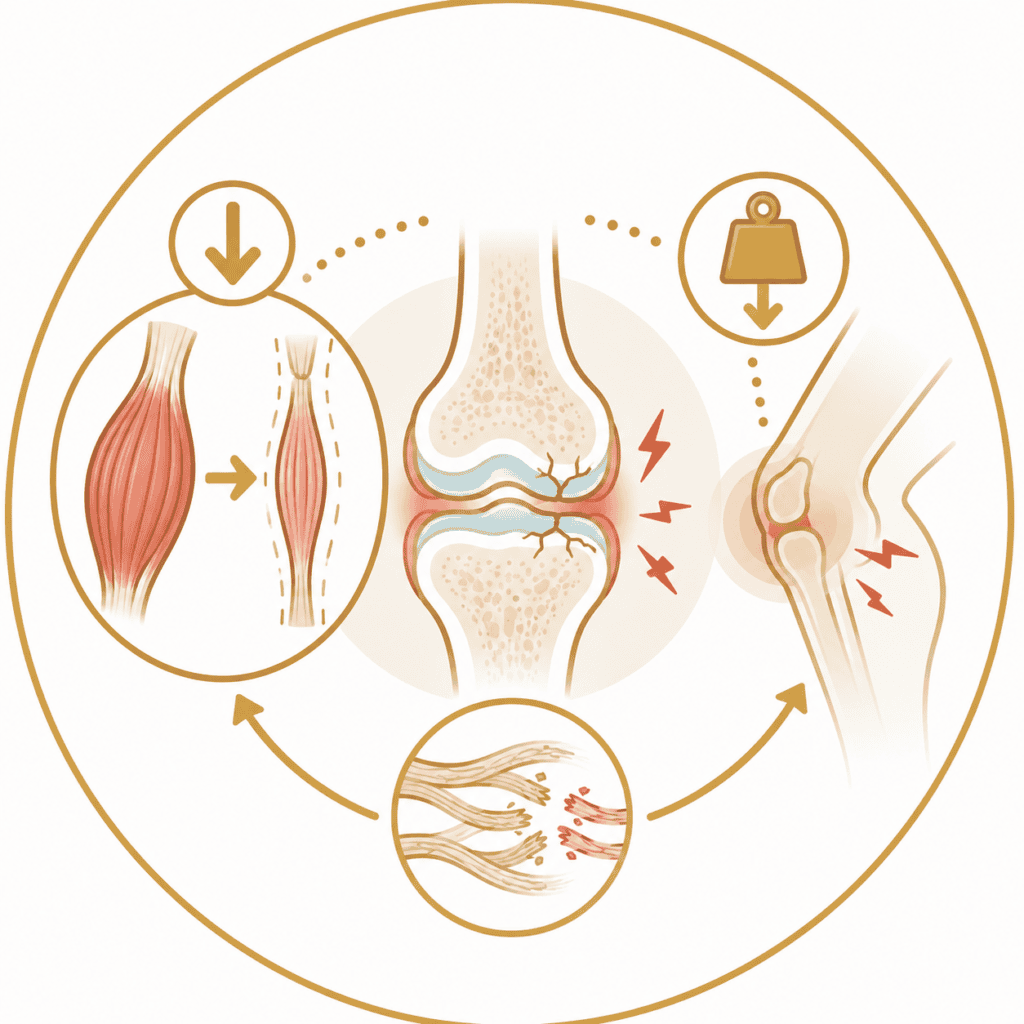
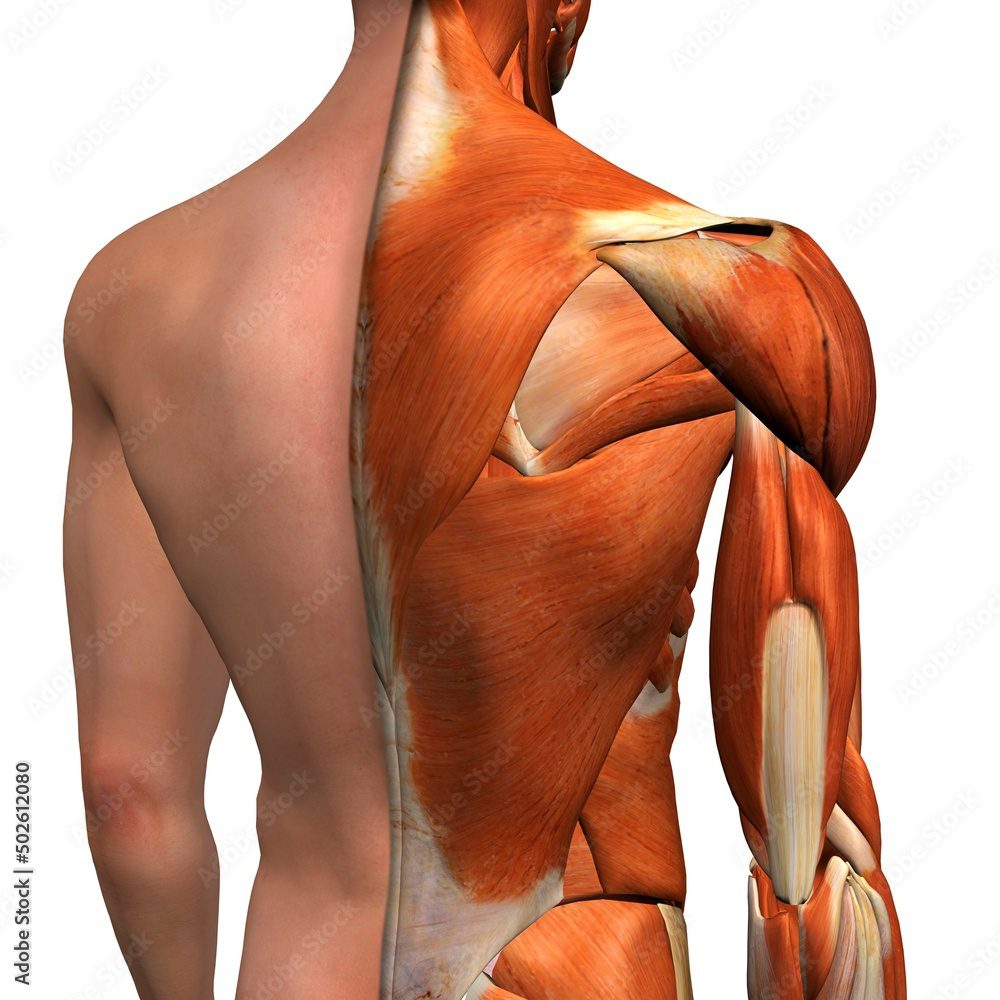
Muscle loss & structural instability
Sarcopenia and muscle atrophy reduce the structural support around joints, increasing mechanical load on cartilage and connective tissue and compounding degenerative processes.
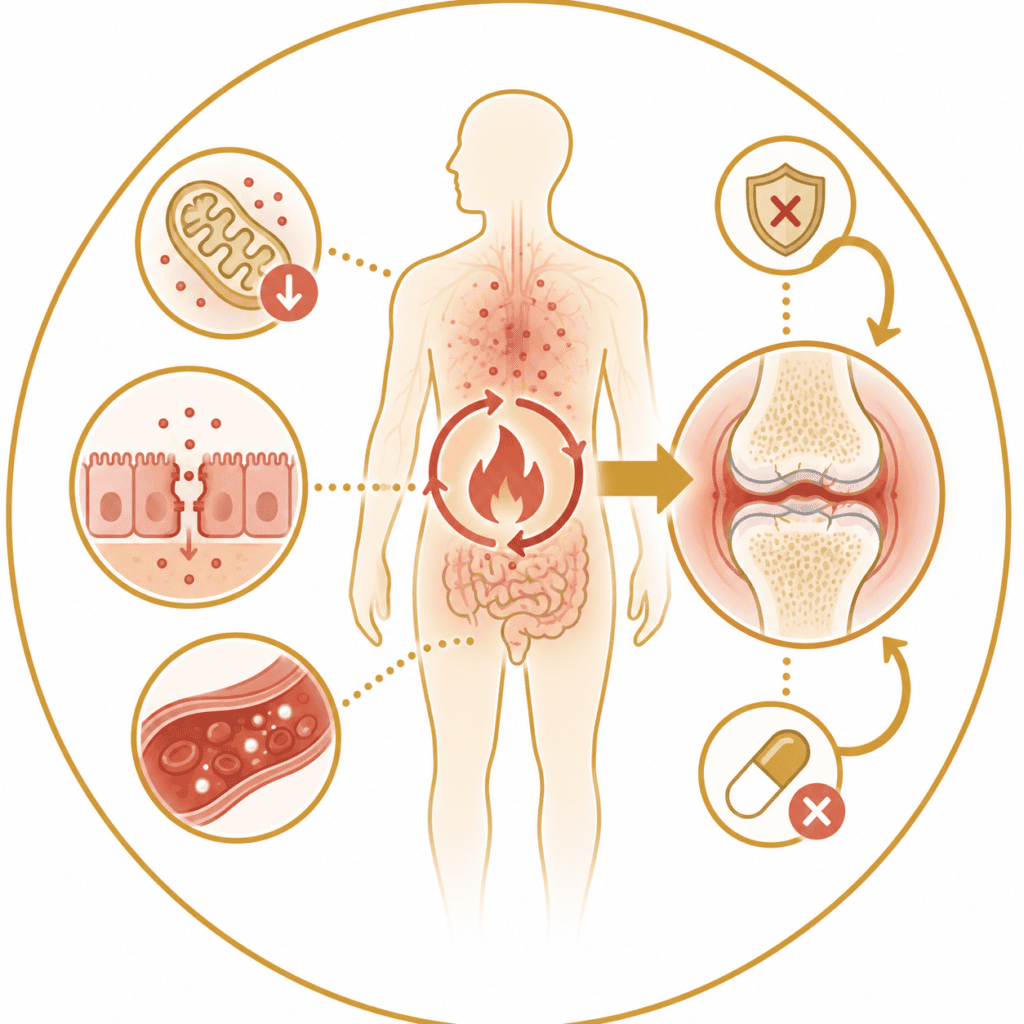
Systemic inflammatory burden
Metabolic dysfunction, gut permeability, and circulating inflammatory mediators maintain a systemic state that perpetuates local joint and tissue damage regardless of local treatment alone.
Systemic IV Infusions
Address the inflammatory, metabolic, and regenerative environment system-wide — improving the conditions that allow local tissue to heal and stay healed.
Targeted Local Delivery
Intra-articular or peri-lesional exosome delivery concentrates regenerative signals directly at the site of damage — accelerating cartilage, tendon, and tissue repair where it is most needed.
Technology
Role in Musculoskeletal Repair
Key Signals
Pluripotent Stem Cells
PSC · SYSTEMIC
Deliver adaptive signaling that reduces joint and systemic inflammation, supports cartilage and connective tissue repair, and improves vascular supply to damaged musculoskeletal structures. Broad exosomal cargo includes signals relevant to both the mesodermal tissues at the core of musculoskeletal pathology and the neural pain pathways that sustain chronic pain states.Deliver adaptive signaling that reduces joint and systemic inflammation, supports cartilage and connective tissue repair, and improves vascular supply to damaged musculoskeletal structures. Broad exosomal cargo includes signals relevant to both the mesodermal tissues at the core of musculoskeletal pathology and the neural pain pathways that sustain chronic pain states.
- Anti-inflammatory
- Cartilage support
- Connective tissue repair
- Vascular support
- Pain modulation
Pluripotent Exosomes
EXOSOMAL · IV + LOCAL
Delivered intravenously for systemic effect and — where clinically indicated — by direct intra-articular or peri-lesional injection for localized repair. Local delivery achieves substantially higher concentrations of regenerative signals at the target site, enhancing matrix synthesis, reducing local inflammation, and accelerating tissue remodeling. Local delivery route and frequency are determined by the treating physician.Delivered intravenously for systemic effect and — where clinically indicated — by direct intra-articular or peri-lesional injection for localized repair. Local delivery achieves substantially higher concentrations of regenerative signals at the target site, enhancing matrix synthesis, reducing local inflammation, and accelerating tissue remodeling. Local delivery route and frequency are determined by the treating physician.
- Matrix synthesis
- Local anti-inflammatory
- Chondrocyte support
- Tendon repair
- IV + local delivery
Follistatin Minicircle Therapy
GENE THERAPY
Skeletal muscle is the primary structural support system for every joint in the body. Follistatin promotes muscle regeneration by inhibiting myostatin, a negative regulator of muscle development. Sustaining or rebuilding muscle mass around compromised joints reduces mechanical load on cartilage and connective tissue, supports stability, and improves long-term functional outcomes. Delivered via minicircle DNA for 8–14 months of sustained expression.
- Muscle regeneration
- Myostatin inhibition
- Joint stability
- Structural support
- 8–14 month effect
Local application options
TARGETED DELIVERY · CLINICIAN-DETERMINED · ADJUNCT TO SYSTEMIC PROTOCOL
Intra-Articular Exosome Injection
Direct delivery into affected joints — knees, hips, shoulders, hands — achieving high local concentrations for cartilage repair, synovial inflammation reduction, and joint function restoration.
Peri-Tendinous & Ligament Injection
Targeted delivery around tendon and ligament injuries to accelerate collagen remodeling, reduce fibrosis, and restore tensile integrity — particularly relevant for chronic tendinopathies.
Spinal & Disc Applications
Peri-discal and facet joint delivery addressing disc degeneration, spinal inflammation, and nerve root irritation — supporting structural and functional spinal recovery.
Ozone Therapy (Local)
Intra-articular or peri-lesional ozone as a complementary modality — reducing local inflammation, improving oxygen delivery to avascular tissues, and enhancing the environment for regenerative repair.
How the Musculoskeletal Protocol Works
Systemic Terrain Preparation
Systemic terrain preparation Ozone apheresis and IV protocols reduce systemic inflammatory burden — addressing circulating mediators that sustain local joint and tissue inflammation. Nutritional deficiencies contributing to impaired tissue repair are assessed and corrected.
Pulsed Daily IV Infusions
Each session delivers adaptive anti-inflammatory and regenerative signals calibrated to the patient's evolving state. Cumulative infusions progressively reduce inflammatory load, improve vascular supply to damaged structures, and create the biological conditions for tissue repair.
Local Applications (Where Indicated)
At the clinician's discretion, targeted injections of exosomes and/or ozone are administered to specific joints, tendons, spinal structures, or injury sites — concentrating regenerative signals where structural damage is most significant. Timing and frequency are determined individually.
Gene Therapy Extension (Optional)
Where muscle preservation or structural support is a clinical priority, Follistatin minicircle therapy at program completion provides 8–14 months of continued muscle-building and joint-stabilizing support — sustaining the structural gains achieved during the in-clinic program.
Progressive Structural Recovery
Pain reduction, improved range of motion, and functional recovery develop progressively as inflammation resolves, tissue repair accumulates, and structural stability is restored. Results in cartilage and tendon — both avascular, slow-repair tissues — typically develop over weeks to months.
Pain is local. Its causes are often not.
gut permeability all influence tissue repair. Treating only the joint without addressing the broader biological environment limits the depth and durability of recovery.
Precision and reach, together.
Our approach combines the systemic reach of IV regenerative therapy with the anatomical precision of targeted local delivery — addressing both the site of damage and the conditions that perpetuate it.
Musculoskeletal Conditions We Address
Joint Pain & Osteoarthritis
Cartilage · Synovial · Degenerative
Tendon & Ligament Injuries
Collagen · Repair · Chronic tendinopathy
Sports Injuries
Acute · Post-injury · Recovery
Spine & Disc Conditions
Disc · Facet · Nerve root
Chronic Musculoskeletal Pain
Persistent · Multi-site · Fibromyalgia
Bone Fractures Support
Fracture repair · Delayed union · Bone density
Strength is not only built — it is restored. Movement is not only regained — it is refined. At Blast Institute, we design the conditions for both — working at the level of cellular repair, structural biology, and systemic inflammation to give the musculoskeletal system what it needs to recover fully and durably.