
Multimodal Skin Rejuvenation
Treating skin is treating the whole body.
Most skin treatments stop at the surface. We start beneath it — with the understanding that aging skin is not a cosmetic problem. It is a systemic one.
As the largest organ in the body, skin harbors an enormous population of cells. As those cells age, they enter a state called cellular senescence — permanently halted, unable to repair tissue, but relentlessly secreting a cocktail of pro-inflammatory molecules known as the senescence-associated secretory phenotype (SASP).
These SASP signals don’t stay local. They circulate. They drive the chronic low-grade inflammation — inflammaging — that underlies cardiovascular disease, metabolic dysfunction, neurodegeneration, and accelerated aging throughout the body. Research confirms that skin senescence propagates the aging phenotype to distant organs and tissues.
This means that clearing senescent cells from the skin and restoring its youthful biology is not merely aesthetic. It is one of the most accessible and impactful levers for reducing your total inflammatory burden — and slowing systemic aging.

How Senescent Skin Cells Affect Skin Aging
- Pro-inflammatory cytokines: IL-6, IL-1β, IL-8, TNF-α — enter systemic circulation and drive inflammaging system-wide
- Pro-inflammatory cytokines: MMP-1, MMP-3 — break down collagen, elastin, and the dermal ECM
- Pro-inflammatory cytokines: SASP from senescent cells induces senescence in neighboring healthy cells — an accelerating cascade
- Pro-inflammatory cytokines: Skin senescence has been shown to propagate aging phenotypes to other organs and tissues, contributing to whole-body inflammaging
Our intervention point: By reducing the population of senescent dermal cells and restoring youthful ECM biology, we interrupt this inflammatory loop at its source — with measurable effects on both skin quality and whole-body inflammatory markers.
Why VEGF-A Matters in Skin Rejuvenation Research
Our intervention point: By reducing the population of senescent dermal cells and restoring youthful ECM biology, we interrupt this inflammatory loop at its source — with measurable effects on both skin quality and whole-body inflammatory markers.
The Observation: Old Skin on Young Mice Rejuvenates
Researchers at the Technion (Israel Institute of Technology) grafted aged human skin onto immunocompromised young mice. The result was striking: the transplanted skin underwent a profound morphological and molecular rejuvenation — independent of topical creams, lasers, or surgery. Simply being in a young biological environment reversed aging in human skin.
The Question: What in the Young Environment Drives This?
Gene expression analysis of the rejuvenated human grafts revealed the answer. The most dramatically upregulated genes were those governing angiogenesis — and at the top of that list was vascular endothelial growth factor A (VEGF-A). High VEGF-A levels in the young mice appeared to be triggering a positive feedback loop, inducing human skin cells to produce their own VEGF-A and kick-starting the entire rejuvenation cascade.
The Proof: Block VEGF-A, Block Rejuvenation
When the researchers administered VEGF-A neutralizing antibodies, the rejuvenation effect was nearly completely abolished. This confirmed that VEGF-A was not merely associated with rejuvenation — it was required for it.

The Mechanism: VEGF-A Is Both Necessary and Sufficient
Step 4 — The Mechanism: VEGF-A Is Both Necessary and Sufficient In a critical experiment, the team injected VEGF-A-loaded lipid nanoparticles directly into aged human skin transplanted on old mice — and successfully reproduced the rejuvenation signature observed in the young-host model. They then showed that VEGF-A improved aging parameters even in organ-cultured aged human skin with no host vasculature at all — confirming it acts directly on skin cells, not just through new vessel formation.
Step 5 — The Conclusion: A Master Pathway Identified
The study — published in Science Advances — concluded that VEGF-A-mediated signaling is "both required and sufficient for rejuvenation of a relatively fast-aging human organ" and represents "the first pharmacologically pliable master pathway for human organ rejuvenation." This is the scientific foundation our VEGF-A gene therapy is built on.
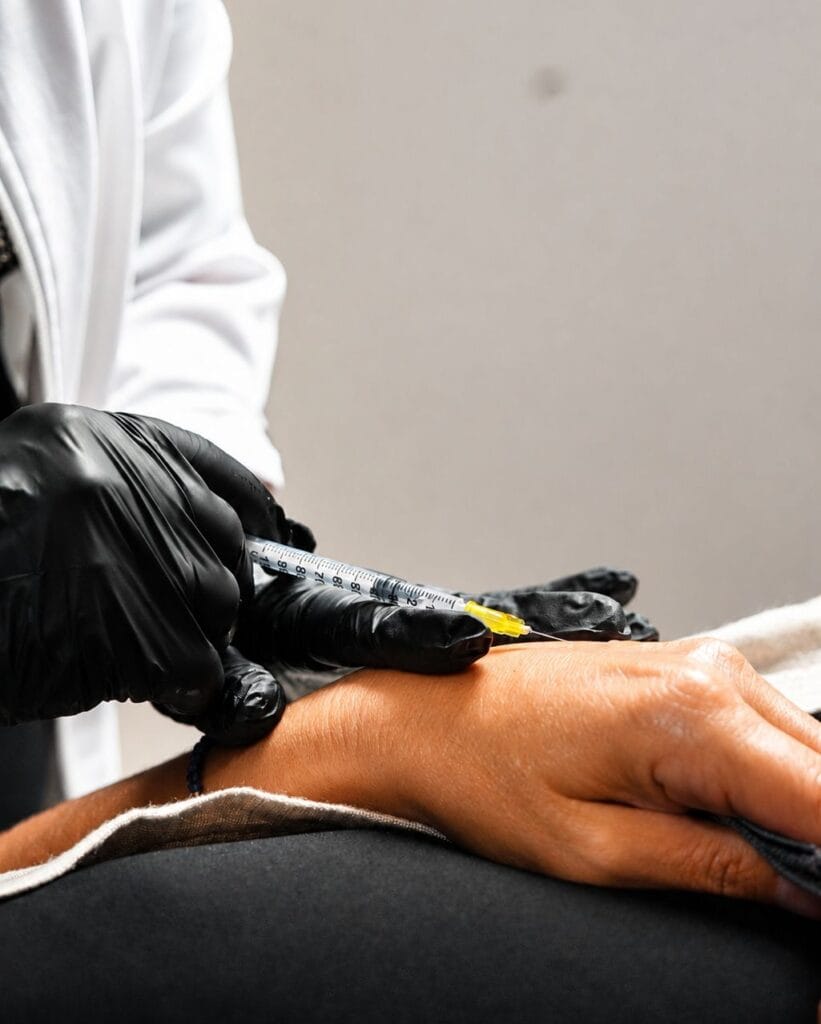
What VEGF-A Support May Influence
Epidermal Repigmentation
Reversal of the characteristic depigmentation of aged skin, restored toward youthful baseline.
Senescence Markers Reduced
β-galactosidase and p16INK4a significantly improved, molecular evidence of cellular rejuvenation.
ECM Remodeling
MMP1 reduction plus collagen matrix restoration, structural rejuvenation confirmed.
Neovascularization
Formation of new capillaries, restoring the dermal vascular network depleted by aging.
Youth Proteins Restored
SIRT1, PGC1α, Collagen 17A levels improved toward youthful baseline.
Works Without Vasculature
VEGF-A rejuvenates isolated organ-cultured skin, confirming direct cellular action beyond angiogenesis.
Three Pillars of Multimodal Skin Rejuvenation
Each element of our protocol targets a distinct and essential mechanism of skin aging. Together they create a synergistic effect greater than any single intervention could achieve.
01. Young Fibroblasts
Autologous Cell Therapy
Fibroblasts are the master architects of your dermal matrix, producing collagen, elastin, and hyaluronic acid. As we age, our fibroblasts senesce, lose their regenerative identity, and begin secreting SASP molecules.
Blast Longevity receives a small biopsy of clients’ healthy skin, expands and biologically rejuvenates the fibroblasts in our GMP lab, then reintroduces them as a personalized living, long-duration bioreactor producing native structural proteins for over a year.
Because these are individual cells, younger, more potent versions, there is no immune rejection and no foreign material.
Blast Exosomes
PSC-Derived · Pluripotent Cargo
Our exosomes are derived from pluripotent stem cells — carrying not just the immune-modulatory cargo of conventional MSC exosomes, but the molecular language of cellular youth itself: OCT4, SOX2, NANOG, plus a full arsenal of pro-regenerative miRNAs, growth factors, and VEGF.
In skin, PSC exosomes have been shown to inhibit UVB-induced fibroblast damage, reverse senescent fibroblast phenotype, restore type I collagen, and stimulate fibroblast and keratinocyte proliferation. They also carry evidence of reprogramming malignant cells toward a benign phenotype — a meaningful protective layer in UV-exposed skin.
Blast Institute has administered PSC exosomes daily for over five years.
VEGF-A Gene Therapy
Minicircle Delivery · Angiogenesis Reset
A key driver of skin aging is the progressive loss of the dermal microvasculature — the capillary network delivering oxygen, nutrients, and regenerative signals to every skin layer.
Our VEGF-A Blast Gene therapy delivers the VEGF-A gene to dermal cells using a non-integrating episomal vector, instructing them to produce new blood vessels from within — the master pathway identified in Science Advances.
VEGF-A acts synergistically with both fibroblasts and exosomes: restored microvascular circulation is the delivery highway ensuring all regenerative signals reach their target cells at full potency.

How Pluripotent Exosomes Support Aging Skin
PSC-derived exosomes are not single-mechanism agents. They act simultaneously across multiple dimensions of skin biology, from cellular senescence to structural repair to oncological protection.
Reverse Fibroblast Senescence
iPSC exosomes significantly reduce SA-β-Gal activity and restore collagen type I expression in both replicative senescence and UVB-induced photo-aged human dermal fibroblasts.
Stimulate Proliferation and Migration
PSC exosomes promote dermal fibroblast and keratinocyte proliferation and migration, accelerating tissue turnover and regeneration rate.
Accelerate Wound Healing
Multiple animal models demonstrate iPSC exosomes accelerating wound closure, scar reduction, collagen maturation, and keratinocyte migration.
Suppress Matrix-Degrading Enzymes
Pretreatment with iPSC exosomes inhibits the overexpression of MMP-1 and MMP-3 caused by UVB irradiation, preserving the ECM architecture critical to skin structure.
Reduce Skin Inflammation
Via anti-inflammatory miRNA cargo, PSC exosomes dampen SASP cytokine secretion from senescent cells, reducing local and systemic inflammatory burden simultaneously.
Support Vascular Restoration
PSC exosomes carry VEGF and pro-angiogenic signals, working in concert with VEGF-A gene therapy to rebuild the dermal microvasculature.
PSC Exosomes vs. MSC Exosomes
MSC exosomes are a well-established tool. But they carry only the therapeutic signals of adult tissue, anti-inflammatory and VEGF-positive, but without pluripotency factors. PSC exosomes carry all of that plus OCT4, SOX2, NANOG, the molecular instructions for cellular youth and self-renewal.
Direct comparison studies show iPSC exosomes outperform MSC exosomes on fibroblast proliferation, migration, senescence reversal, and anti-aging outcomes. In a 2025 aging mouse model, iPSC exosomes reduced frailty scores significantly more than umbilical cord MSC exosomes. Blast Institute has operated on this science for five years. It is not an emerging hypothesis, it is our daily clinical practice.
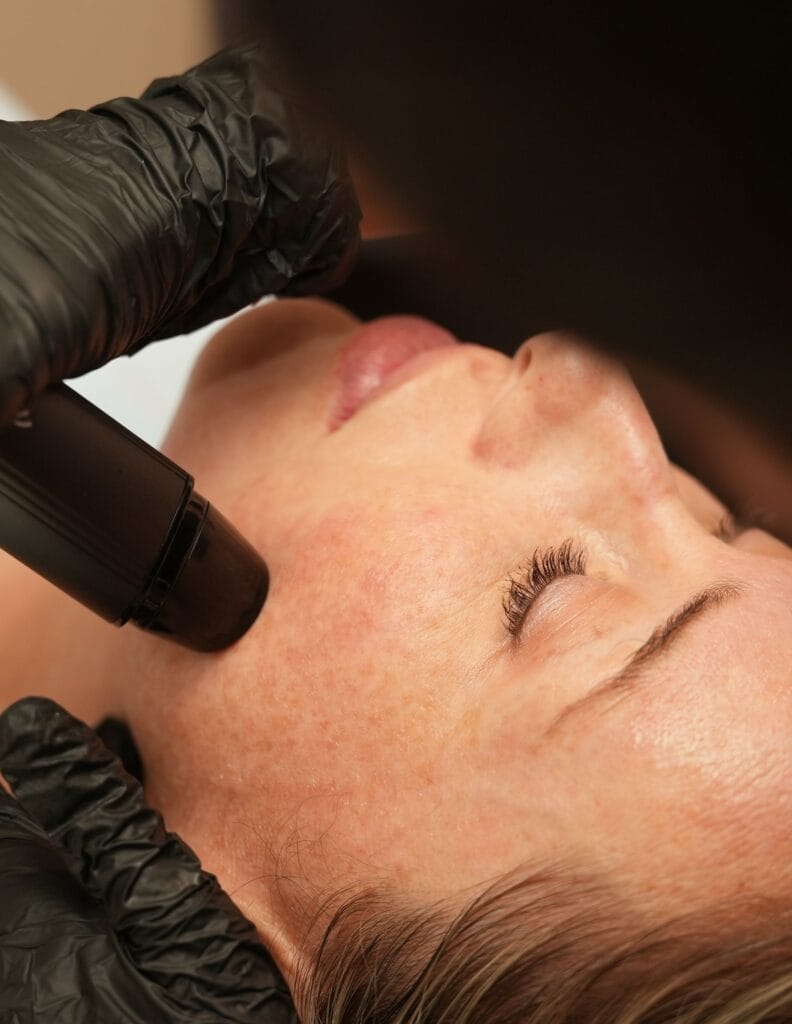
Blast Longevity collaborates with selected physicians and clinics seeking to integrate next-generation regenerative medicine into their practices.
Our multimodal skin platform combines autologous cellular therapies, pluripotent exosomes, and precision gene therapy into a coordinated protocol designed to maximize biological efficacy through complementary mechanisms. By adopting a system-based approach to skin rejuvenation, partner clinics can offer patients an evidence-informed regenerative strategy that addresses the underlying biology of aging rather than isolated cosmetic concerns.
We invite qualified clinics and physicians to explore partnership opportunities and become part of the next evolution in precision longevity medicine.