
Pulmonary Fibrosis Support
RESPIRATORY · FIBROTIC · PROGRESSIVE · MULTI-ROUTE DELIVERY
Pulmonary fibrosis replaces functional lung tissue with scar. Conventional medicine can slow it; our protocol targets the fibrotic machinery directly — systemically and by direct pulmonary delivery — to interrupt progression and support structural repair. This program is part of our wider respiratory and pulmonary health care.
Why Pulmonary Fibrosis Progresses
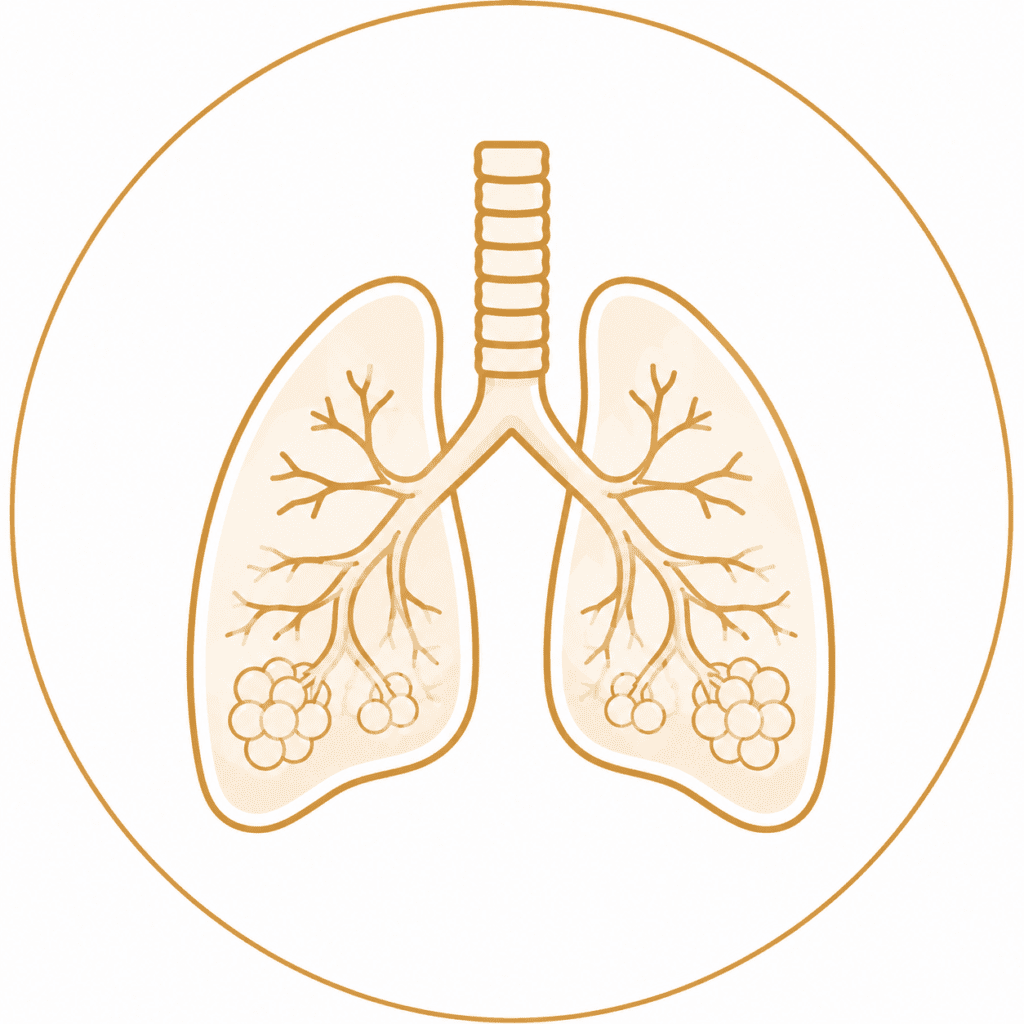
01 — Fibrosis
TGF-β drives unchecked scar formation
Aberrant fibroblast activation deposits collagen faster than it can be remodelled, progressively obliterating alveolar architecture. TGF-β1 is the central driver.
TGF-β1 signalling · Collagen deposition
02 — Inflammation
Chronic oxidative & inflammatory burden
Alveolar inflammation, oxidative stress, and immune dysregulation sustain the fibrotic cycle — each episode recruiting more fibroblasts and deepening structural damage.
Oxidative stress · Immune dysregulation
03 — Vascular Loss
Alveolar microvascular decline
Capillary dropout in fibrotic tissue reduces gas exchange capacity and impairs oxygen and nutrient delivery that surviving alveolar cells depend on for repair.
Capillary dropout · Gas exchange ↓
Why Pluripotent Stem Cells May Be Relevant to Lung Health
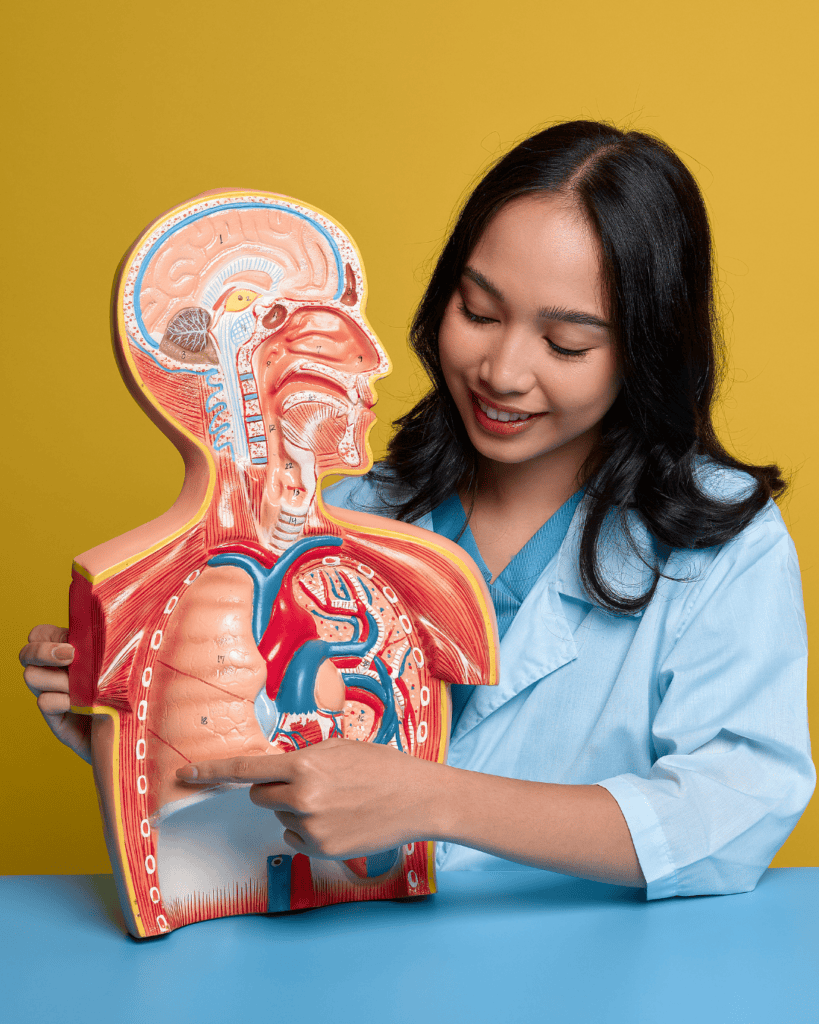
The lung is an endodermal organ. PSC-derived exosomes carry cargo relevant to pulmonary epithelial repair — including type II pneumocyte support and TGF-β suppression signals — that MSC preparations cannot provide. Combined with direct nebulized delivery twice weekly, regenerative signals reach the alveolar surface where fibrosis is occurring.
Treatment
What it does
Route

Pluripotent stem cells
IV · Daily
Endodermal exosomal cargo targets pulmonary epithelial repair, type II pneumocyte support, and alveolar immune modulation. Suppresses TGF-β-driven fibroblast activation systemically. The biological foundation of the protocol.
- Systemic IV
Pluripotent exosomes
IV + nebulized · 2×/week
Particularly powerful in pulmonary fibrosis — anti-fibrotic microRNA cargo (miR-let-7, miR-29) suppresses collagen synthesis and MMP dysregulation at gene expression level. Delivered both systemically IV and by nebulization directly to the alveolar surface twice weekly for maximum local concentration.
- IV + nebulized
2× weekly nebulization
GHK-Cu peptide
IV · 3-4 IVs / week
Copper tripeptide with published anti-fibrotic activity in lung tissue — suppresses TGF-β1, reduces collagen I and III synthesis, upregulates MMP-2 and MMP-9 for collagen remodelling, and promotes tissue repair signalling. Direct mechanistic relevance to pulmonary fibrosis pathways.
- Systemic IV
Ozone apheresis (EBOO)
Extracorporeal. 1 session per week
Reduces systemic oxidative and inflammatory burden — addressing the chronic inflammatory activation driving ongoing fibroblast recruitment. Upregulates endogenous antioxidant systems (SOD, glutathione peroxidase) characteristically depleted in IPF.
- Extracorporeal
High-dose Vitamin C IV
15g · 3-4 days/ week
Antioxidant support targeting the oxidative stress that perpetuates fibrotic activation. Supports collagen remodelling enzymes. Synergistic with EBOO in reducing the oxidatisignallingment that sustains TGF-β signalling.
- Systemic IV
Klotho minicircle
Gene therapy · Final session
Optional — clinician-indicatedGene therapy · Final session
Directly suppresses TGF-β/Smad fibrotic signalling in pulmonary fibroblasts — preclinical data supports its anti-fibrotic role in lung specifically. Provides 8–14 months of continued suppression after discharge. Indicated in more advanced presentations or where sustained anti-fibrotic coverage is a priority.
- Subcutaneous
Probiotics & anti-inflammatory support
Daily
Gut-lung axis modulation — microbiome integrity influences systemic inflammatory tone and pulmonary immune regulation. Nutritional support addresses deficiencies commonly seen in chronic respiratory disease.
- Oral / IV
Pulmonary Fibrosis Program Structure
Weeks 1–2
Reduce & prepare
EBOO reduces systemic oxidative and inflammatory burden. PSC infusions begin — immune modulation and early anti-fibrotic signalling. GHK-Cu IV initiated. Exosome nebulization begins twice weekly, delivering anti-fibrotic miRNA directly to the alveolar surface. Vitamin C and antioxidant repletion throughout.
Weeks 3–4
Repair & consolidate
PSC and exosome density maintained. GHK-Cu continues TGF-β suppression and collagen remodelling support. Nebulization maintained twice weekly. Klotho minicircle administered on the final session where indicated — providing 8–14 months of continued anti-fibrotic signalling after discharge.
Program may be shortened to 2 weeks for patients who are recently diagnosed and highly functional — assessed by physician at outset.
24 PSC infusions
daily · 4 weeks
8+ exosome IVs
systemic
8 nebulized sessions
2× weekly
GHK-Cu IV
throughout
EBOO
1 / week
Vitamin C IV
15g
Klotho minicircle
optional · final session
Pulmonary Conditions We Address
Idiopathic Pulmonary Fibrosis (IPF)
Progressive · TGF-β · Alveolar
Secondary Pulmonary Fibrosis
Autoimmune · Drug-induced · Post-infection
Post-COVID Pulmonary Fibrosis
Long COVID · Residual · Inflammatory
Interstitial Lung Disease (ILD)
Fibrotic · Restrictive · Progressive
Early and Mild Fibrotic Disease
Freshly diagnosed · Functional · Proactive
Radiation-Induced Pulmonary Fibrosis
Post-treatment · Structural · Localized
“Fibrosis is not inevitable. The signals that drive it can be interrupted — and the tissue that remains can be supported.”
TGF-β suppressed. Collagen remodelling restored. Alveolar surface reached directly. Systemic oxidative burden cleared. The protocol works from inside the lung and from the bloodstream simultaneously.