
Neurological and Cognitive Health Support
Restoring Communication. Elevating Function
The nervous system is the body’s most complex network — governing movement, cognition, memory, and perception through constant, precise communication between cells. When this communication is disrupted by inflammation, degeneration, or injury, function declines across every domain it governs.
At Blast Institute, we approach neurological health as a system of signals — one that can be guided back toward balance, connectivity, and performance through targeted regenerative intervention.
What Drives Neurological & Cognitive Decline
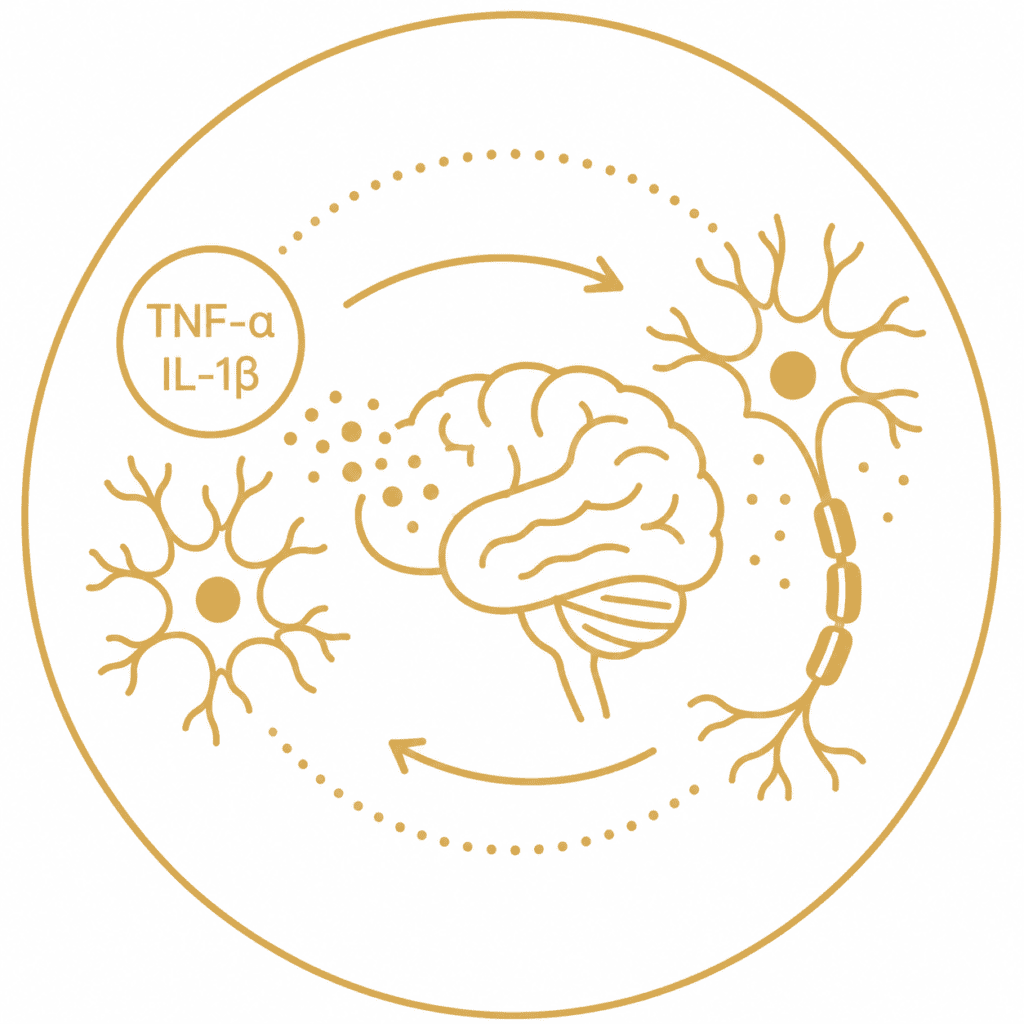
Neuroinflammation
Chronic microglial activation and elevated inflammatory cytokines (TNF-α, IL-1β) degrade neural tissue and impair synaptic function over time.
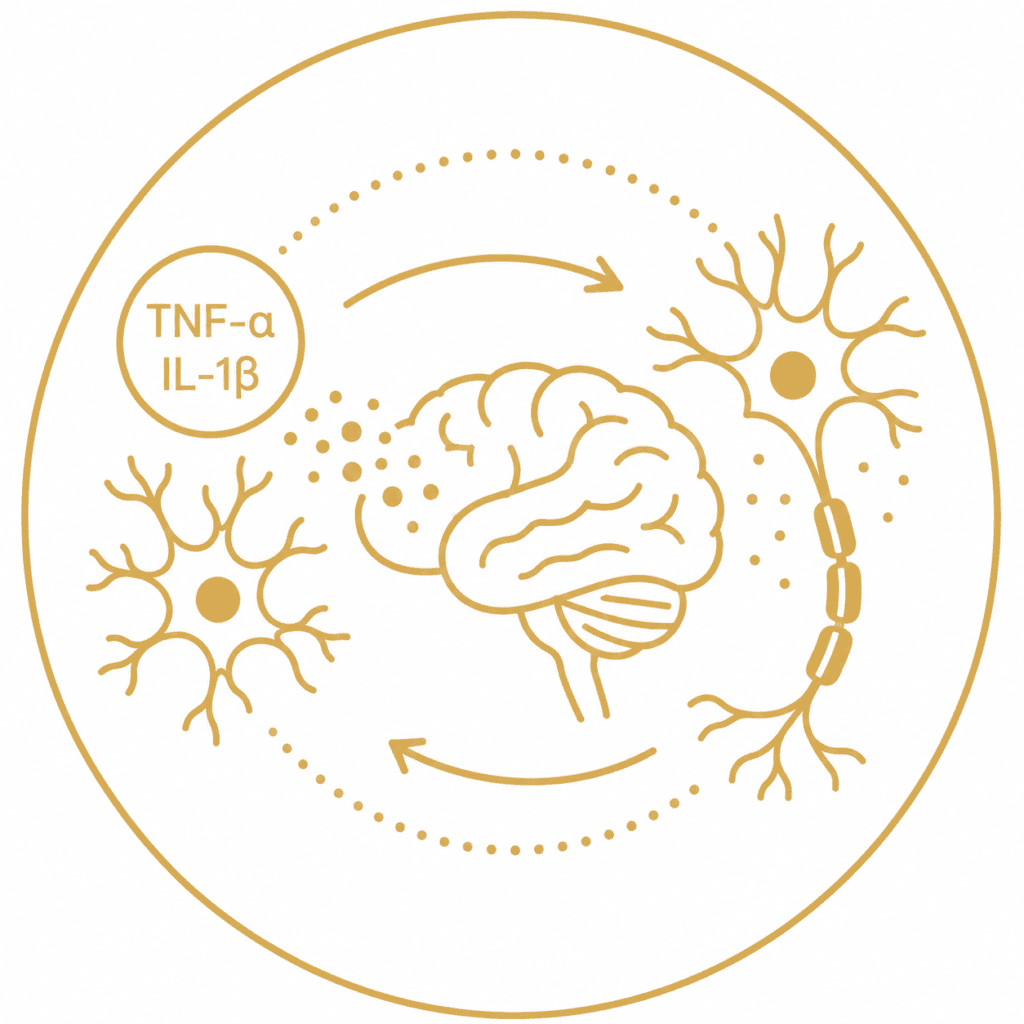
Neuronal damage & loss
Progressive loss of neurons and supporting glial cells reduces the structural basis for cognition, movement, and sensory processing.
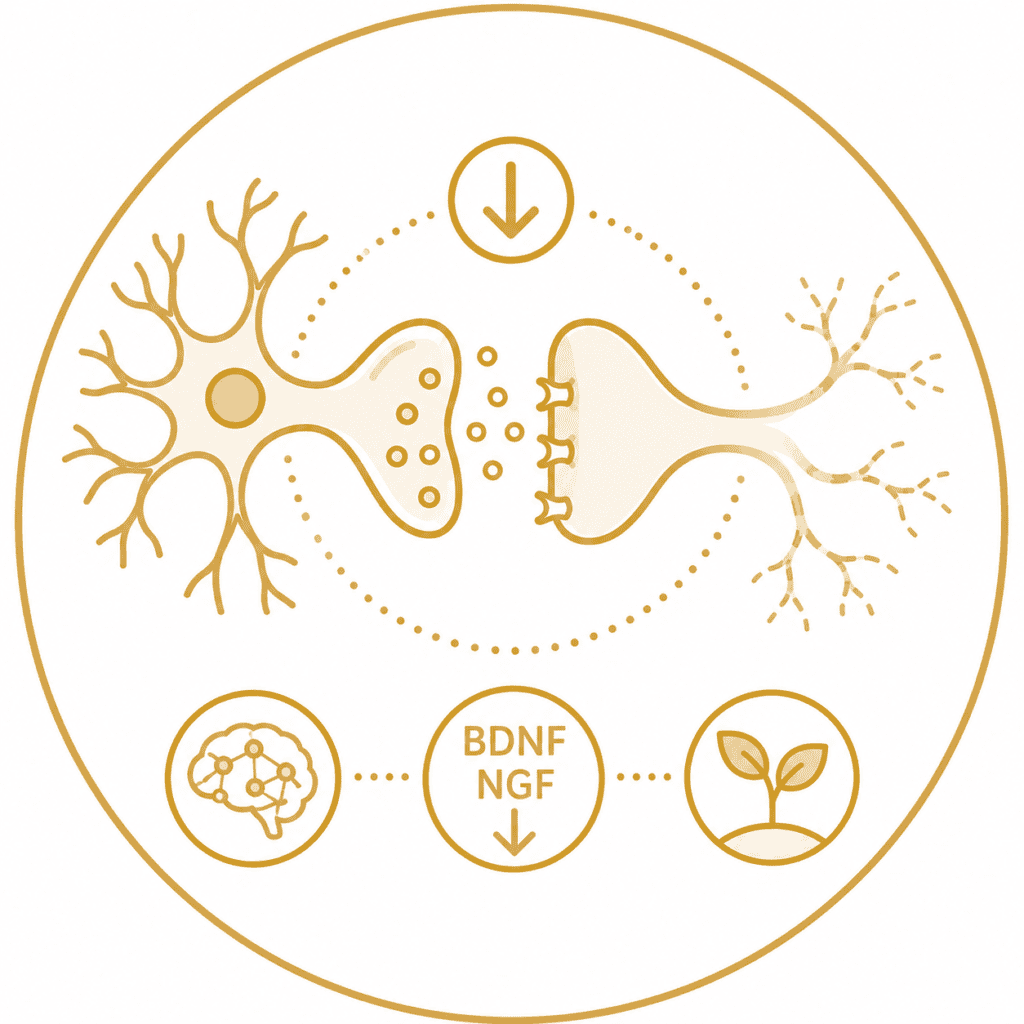
Impaired cellular communication
Disrupted synaptic signaling and reduced neurotrophic support (BDNF, NGF) slow the adaptive responses the brain relies on for repair.
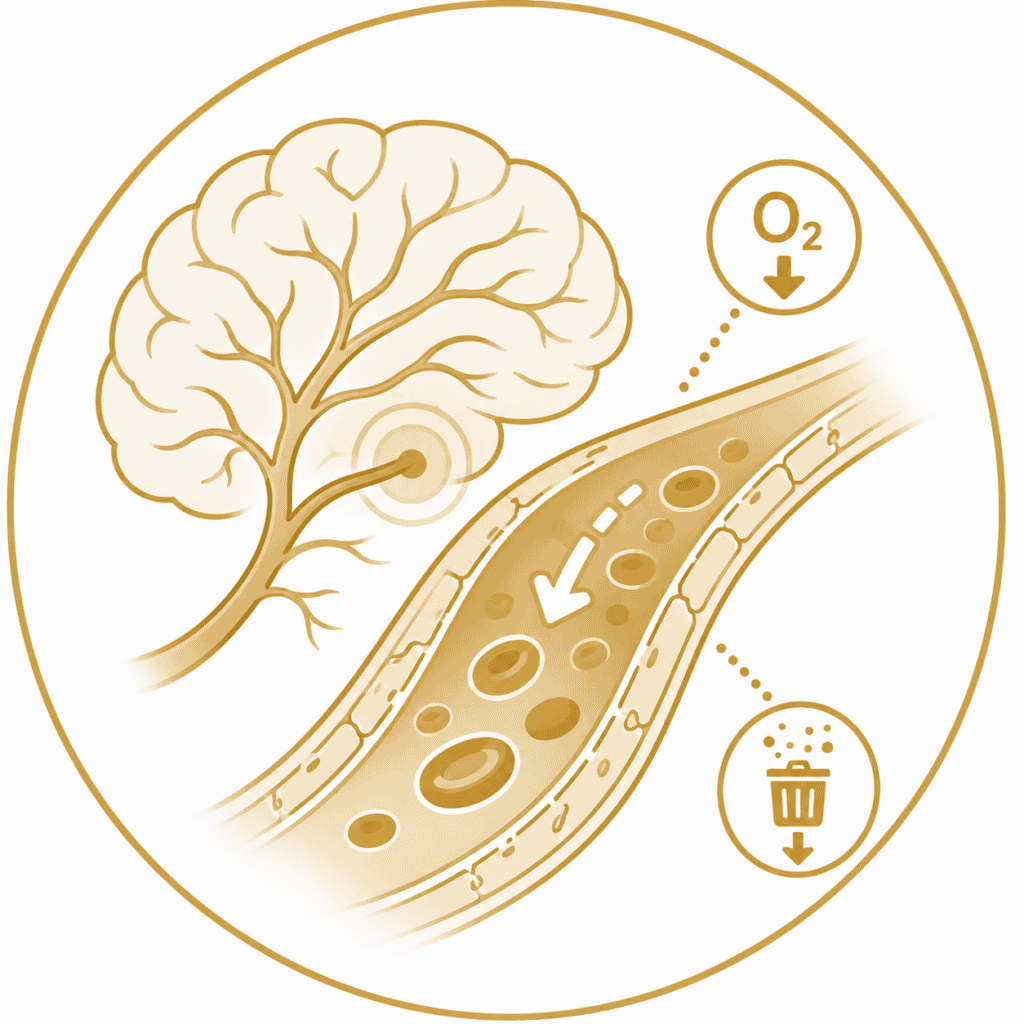
Vascular insufficiency
Reduced cerebral blood flow and blood-brain barrier dysfunction limit oxygen delivery and impair clearance of neurotoxic waste products.
Technology
Role in immune regulation
Key signals
Pluripotent Stem Cells
PSC
Carry an epigenetically open signaling profile that allows interaction with neural tissue. Their exosomal cargo includes neurotrophic factors absent in lineage-restricted preparations — supporting repair, neuroplasticity, and functional recovery across the full nervous system.
- BDNF
- NGF
- NT-3
- Neuroprotection
- Neuroplasticity
Pluripotent Exosomes (Plurisomes)
EXOSOMAL
Concentrated vesicles carrying neurotropic signals, anti-inflammatory mediators, and microRNAs that regulate gene expression in neural cells. Enhance neuron-to-neuron communication, reduce neuroinflammation, and support repair of myelin and synaptic architecture.
- Anti-inflammatory
- Synaptic repair
- miRNA modulation
- Myelin support
Klotho Minicircle Therapy
GENE THERAPY
A longevity-associated protein with documented neuroprotective properties, delivered via non-viral minicircle DNA for sustained expression. Promotes neuronal resilience against oxidative stress, supports hippocampal function, and contributes to long-term cognitive maintenance.
- Oxidative stress ↓
- Hippocampal support
- Cognitive longevity
- Neuroprotection
How the Neurological Health Protocol Works
Terrain Preparation
Neuroinflammation and blood-brain barrier dysfunction reduce the penetration of regenerative signals. Ozone apheresis and IV antioxidant protocols reduce systemic inflammatory burden before and during treatment — improving the environment in which neural signaling operates.
Pulsed Daily Infusions
Each session introduces a fresh wave of neurotropic and anti-inflammatory signals. PSCs produce exosomes during their active window in circulation; those exosomes then act on neural tissue over a longer, as yet fully characterized, timeframe. Day by day, the cumulative signaling effect deepens.
Gene Therapy Extension (Optional)
The nervous system's capacity for plasticity — its ability to reorganize and form new connections — is the biological substrate that regenerative signaling activates. Results develop progressively over weeks to months as neural circuits adapt, reconnect, and stabilize.
Neurological Conditions We Address
Alzheimer's Disease and Dementia
Neurodegeneration · Memory · Cognition
Parkinson's Disease
Motor · Dopaminergic · Progressive
Multiple Sclerosis
Demyelination · Autoimmune · Relapsing
ALS (Motor Neuron Disease)
Motor · Neurodegenerative · Progressive
Traumatic Brain Injury & Concussion
Acute · Structural · Post-injury recovery
Stroke & Post-Stroke Recovery
Ischemic · Vascular · Rehabilitation
Cerebral Palsy
Motor control · Developmental · Spasticity
Peripheral Neuropathy
Nerve damage · Sensory · Pain
Migraines
Vascular · Neuroinflammatory · Chronic
Tinnitus & Hearing Disorders
Auditory · Cochlear · Sensory
Brain Fog & Early Cognitive Decline
Functional · Fatigue · Pre-degenerative
Lyme Disease & Post-Treatment Lyme Syndrome
Neurological · Immune · Infectious · Multi-System
The nervous system does not simply repair — it reconnects, adapts, and evolves. At Blast Institute, we design the regenerative signals that guide that transformation — working with the nervous system’s own capacity for plasticity, not against the clock of degeneration.