The brain is the hardest organ in the body to treat, and the reason is a barrier. Whether the problem is an aging memory, the aftermath of a stroke, or a tumor such as glioblastoma, the question is the same: how do we get help inside? One answer now gathering real evidence is stem cell exosomes, and specifically the pluripotent exosomes released by pluripotent stem cells. They are small enough and well enough tolerated to slip past the blood-brain barrier that turns away most medicines, and they carry early developmental signals that aging or injured brain cells no longer make for themselves.
A note up front: most of the work below comes from laboratory and animal studies, with the first human trial in stroke only just beginning. This is an encouraging direction, not a finished one, and nothing here is medical advice or a promise of any particular outcome.
The Blood-Brain Barrier: Why the Brain Is So Hard to Treat
The brain sits behind the blood-brain barrier, a sealed lining of blood vessels that keeps most circulating molecules out. It protects delicate tissue from toxins, but it also turns away most medicines, which is why so many drugs work in a dish and then fail to reach the brain. Any serious approach to the aging or injured brain has to solve access first. For several years, a research program at Shanghai Jiao Tong University’s Sixth People’s Hospital has studied exosomes from pluripotent stem cells across cognitive aging, vascular dementia, stroke, and glioblastoma, and the results point the same way.
How Pluripotent Exosomes Work as Delivery Vehicles
Exosomes are nature’s own delivery vehicles, tiny vesicles roughly 30 to 100 nanometers across that almost every cell releases to communicate. Each is a sealed lipid bubble carrying proteins and RNAs from its parent cell. Because they are made by the body, they tend to be well tolerated, they protect their cargo, and they can cross barriers that stop synthetic particles, including the blood-brain barrier (Zhu et al., Advanced Science, 2019).
The source cell matters, because an exosome carries the message of the cell that made it. Pluripotent stem cells sit at the origin of all the body’s cells and express the Yamanaka factors, so these embryonic stem cell exosomes carry early developmental signals that adult cells, including the more familiar mesenchymal ones, no longer produce. They also renew almost indefinitely, so they can be produced with consistent properties at scale.
What the Research Shows Across Four Brain Conditions
Across these studies, stem cell exosomes given into a vein reached the brain and improved its function. Three of the four are animal studies and the glioblastoma work is preclinical, so they show what is possible, not what is proven in patients.
| Condition | Model | Main finding |
|---|---|---|
| Cognitive aging | Naturally aged and fast-aging mice | Senescent hippocampal stem cells rejuvenated, new neurons restored, memory improved |
| Vascular dementia | Rats with reduced brain blood flow | Stem cell senescence reversed, neurogenesis recovered, cognition improved |
| Ischemic stroke | Rodent stroke model | Brain protected through regulatory T cells that calm inflammation |
| Glioblastoma | Human tumors in mice | Tumors slowed; with a homing tag and chemotherapy, tumors one-seventh the size |
Pluripotent Exosomes and Brain Aging
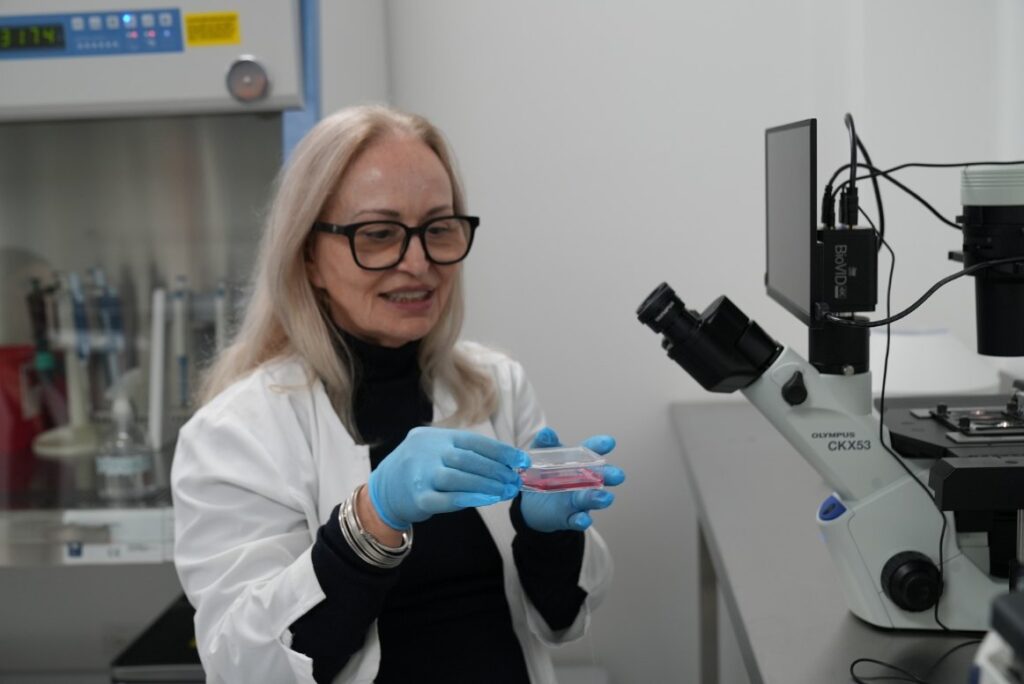
Deep in the hippocampus, the brain’s memory center, a small pool of neural stem cells keeps making new neurons through life. With age these cells become senescent, stop dividing, and disappear, and this loss tracks with memory decline in aging mice (Hu et al., Molecular Therapy, 2021). Mice given intravenous embryonic stem cell exosomes, twice a week for six months in middle age or for eight months when older, navigated a memory maze better than untreated peers, with more hippocampal stem cells, fewer senescent ones, and more new neurons.
Part of the mechanism is traceable. The exosomes carry SMAD4 and SMAD5 into the stem cells, switching on the transcription factor MYT1, which raises Sirt1, a well-known longevity regulator. Blocking MYT1 erased much of the benefit. In plain terms, aging brain cells received early developmental signals and began to behave like younger ones again.
Targeting the Drivers of Vascular Dementia
When the brain is slowly starved of blood flow, the same senescence drives the stem cell loss behind vascular dementia. In rats with reduced blood flow, intravenous embryonic stem cell exosomes reversed that senescence, restored the stem cells’ ability to make neurons, and reversed the cognitive impairment (Hu et al., Advanced Science, 2020). Here the cargo included microRNAs that restart the cell’s recycling system by restraining the growth regulator mTORC1.
Protecting the Brain After Ischemic Stroke
After an ischemic stroke, much of the damage comes from the inflammation that follows the blockage, and pluripotent exosomes appear to calm it. Embryonic stem cell exosomes protected against stroke by acting on regulatory T cells, the immune cells that hold inflammation in check (Xia et al., ACS Nano, 2021). In aged mice, where the brain’s resident microglia are themselves senescent and inflammatory, induced pluripotent stem cell exosomes rejuvenated those microglia, shifted them toward repair, and reduced neuron loss (Materials Today Bio, 2023). This is the one area now reaching people: a phase 1 trial of pluripotent stem cell exosomes in acute ischemic stroke was registered in 2025, with about 40 participants (ClinicalTrials.gov, NCT07145294). No human efficacy results exist yet, so this is active research rather than established treatment.
A Guided Carrier in Glioblastoma
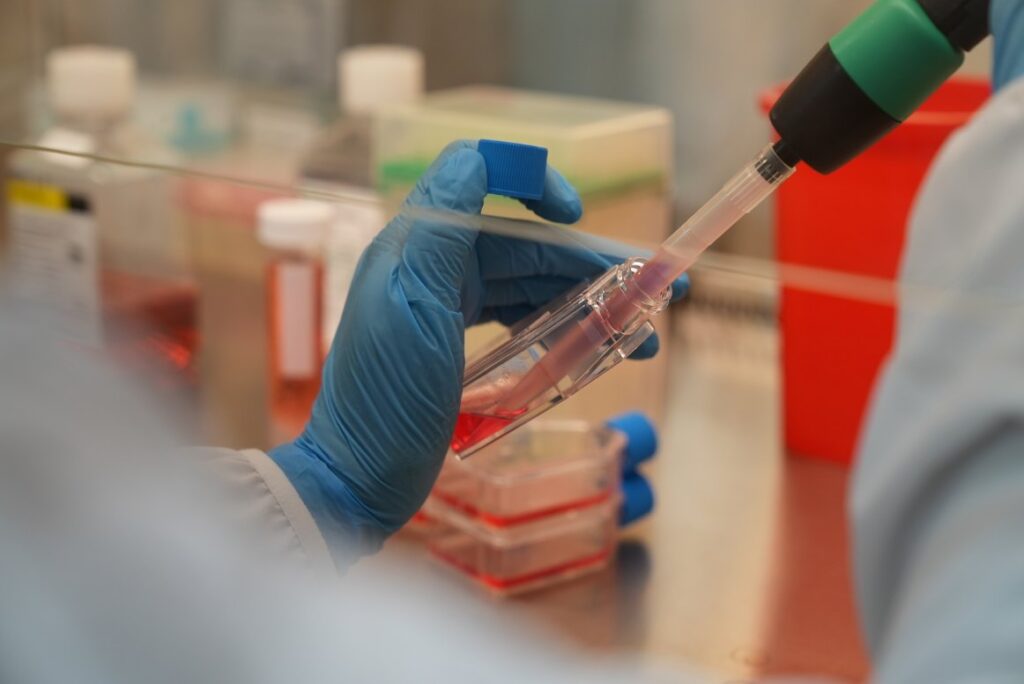
Glioblastoma is one of the hardest cancers to treat, partly because of the same barrier that protects the healthy brain. Zhu and colleagues asked whether human embryonic stem cell exosomes act against it and whether they can be turned into a targeted carrier (Advanced Science, 2019). On their own, the exosomes slowed the tumor in the laboratory and in mice.
The team then added a homing peptide, c(RGDyK), that binds a receptor abundant on glioblastoma, and loaded the exosomes with the chemotherapy drug paclitaxel. With the same paclitaxel dose, tumors treated with the targeted exosomes ended about one-seventh the size of those given the free drug (roughly 81 versus 568 cubic millimeters), with no weight difference between groups, an early sign of tolerability. This is promising laboratory science, not a treatment offered to patients, and it belongs with an oncologist and a physician.
What Pluripotent Exosome Therapy Means for Brain Care at Blast
Read together, these studies tell one story. Whatever the condition, pluripotent exosomes crossed from the bloodstream into the brain and acted on the cells that had aged or been injured, reviving senescent stem cells, restoring new neurons, calming inflammation after a stroke, and, in glioblastoma, carrying a drug to a target. The common thread is the early developmental message they carry.
That is why intravenous pluripotent exosome therapy is part of our protocols for neurological and cognitive conditions at Blast, alongside whole pluripotent stem cells, which read the patient’s own signaling environment and release exosomes tailored to it. Whether it fits a given person is a judgment our physicians make individually, within our broader approach to longevity and systemic optimization, and always with the honesty that the human evidence is still early.
Talk With the Blast Institute Team About Neurological and Cognitive Care
Speak with our patient care team about whether pluripotent exosome therapy fits your situation.
Pluripotent Exosomes and the Brain: Common Questions
Can exosomes cross the blood-brain barrier?
In these studies they did. Exosomes are small, lipid-coated, and made by the body, so they pass barriers that stop synthetic particles. In the aging work, labeled exosomes reached the brain within 24 hours. This has been shown in animals, with human confirmation still in progress.
Are these brain treatments proven in humans?
Not yet. The work is largely preclinical, in mice and rats. The first human trial, a phase 1 study in acute ischemic stroke, was registered in 2025, and no efficacy results are available. These therapies are investigational and not approved by the FDA.
How are pluripotent exosomes different from other exosomes?
The difference is the source cell. Pluripotent stem cells express the Yamanaka factors, so their exosomes carry early developmental signals that adult cells, including the commonly used mesenchymal stem cells, no longer produce.
Blast Institute is a medical clinic. All treatments are administered by licensed physicians after an individual evaluation, and nothing here is medical advice or a promise of any outcome. Individual results vary. The therapies described are investigational, have not been approved by the FDA or any comparable authority, and are not intended to diagnose, treat, cure, or prevent any disease. Do not begin, stop, or alter any treatment without the physician who manages your care.